 Nguyễn Đức Minh 03/03/2026
Stake ETH qua Lido là gì? Hướng dẫn Liquid Staking Ethereum chi tiết 2025
Stake ETH qua Lido là phương thức ký gửi Ethereum vào nền tảng Lido Finance để nhận lợi nhuận từ staking mà không cần đáp ứng yêu cầu 32 ETH tối thiểu như staking truyền thống. Khi bạn stake ETH qua Lido, bạn sẽ nhận được stETH (staked ETH) – một token đại diện cho số ETH đã stake và có thể giao dịch tự do trong khi vẫn nhận phần thưởng staking. Đây là giải pháp liquid staking tiên phong, cho phép người dùng vừa kiếm lợi nhuận thụ động từ việc bảo mật mạng lưới Ethereum 2.0, vừa duy trì tính thanh khoản hoàn toàn cho tài sản của mình.
Để thực hiện stake ETH trên Lido, bạn chỉ cần kết nối ví crypto như MetaMask vào trang Lido.fi, nhập số lượng ETH muốn stake (có thể từ 0.01 ETH), xác nhận giao dịch và ngay lập tức nhận stETH tương ứng. Quá trình này đơn giản hơn nhiều so với việc vận hành node validator độc lập, đồng thời giúp bạn tránh được các rủi ro kỹ thuật và yêu cầu vốn lớn của staking truyền thống.
Lợi ích khi stake qua Lido không chỉ dừng lại ở việc nhận lãi suất staking hấp dẫn (dao động 3-5% APR), mà còn mở ra cơ hội sử dụng stETH trong các giao thức DeFi khác nhau. Bạn có thể cho vay stETH trên Aave, cung cấp thanh khoản trên Curve, hoặc dùng làm tài sản thế chấp – điều mà ETH được stake trực tiếp không thể làm được do bị khóa trong contract.
Tuy nhiên, việc stake ETH qua Lido cũng đi kèm một số rủi ro cần cân nhắc, bao gồm rủi ro smart contract, khả năng stETH mất peg với ETH trong điều kiện thị trường căng thẳng, và phí 10% trên phần thưởng staking. Bài viết này sẽ phân tích chi tiết cơ chế hoạt động, hướng dẫn từng bước thực hiện, đánh giá lợi ích và rủi ro, cũng như so sánh Lido với các phương thức staking khác để bạn có cái nhìn toàn diện nhất.
Stake ETH qua Lido là gì?
Stake ETH qua Lido là quá trình người dùng ký gửi Ethereum vào smart contract của Lido Finance để tham gia bảo mật mạng lưới Ethereum 2.0 và nhận phần thưởng staking mà không cần đáp ứng ngưỡng tối thiểu 32 ETH hay vận hành node validator. Sau đây, hãy cùng tìm hiểu chi tiết về cơ chế hoạt động và những đặc điểm nổi bật của phương thức này.
Liquid Staking hoạt động như thế nào trên Lido?
Liquid staking trên Lido hoạt động dựa trên cơ chế gộp vốn (pooling) từ nhiều người dùng khác nhau để đạt đủ 32 ETH cần thiết cho việc vận hành một validator node. Khi bạn gửi ETH vào Lido, số ETH này được tập hợp cùng với ETH của người dùng khác, sau đó Lido phân phối cho các node operators đã được DAO phê duyệt để vận hành validators trên Ethereum Beacon Chain.
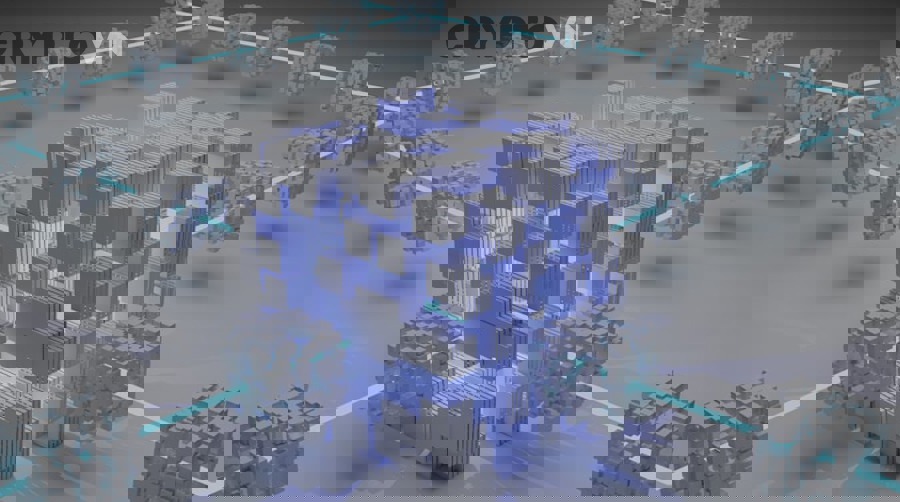
Cơ chế này giải quyết hai vấn đề lớn của staking truyền thống. Thứ nhất, bạn không cần phải có đủ 32 ETH – có thể stake từ 0.01 ETH trở lên. Thứ hai, bạn không cần kiến thức kỹ thuật về vận hành node, không phải lo về downtime hay slashing risks do lỗi vận hành. Lido hiện phân phối ETH cho hơn 30 node operators độc lập bao gồm những tên tuổi như Stakefish, Chorus One, P2P Validator, giúp tăng tính phân quyền và giảm rủi ro tập trung.
Khi stake, bạn nhận ngay stETH theo tỷ lệ 1:1 với số ETH đã gửi. Token stETH này được mint tự động thông qua smart contract và gửi vào ví của bạn. Điểm đặc biệt là stETH sử dụng cơ chế rebasing – số dư stETH trong ví bạn tự động tăng lên mỗi ngày để phản ánh phần thưởng staking tích lũy, thường được cập nhật khoảng 24 giờ một lần khi oracle của Lido báo cáo rewards mới từ Beacon Chain.
Vai trò của node operators trong hệ sinh thái Lido rất quan trọng. Họ chịu trách nhiệm vận hành validators, đảm bảo uptime cao (thường >99%), và thực hiện các nhiệm vụ validation đúng cách để tránh bị phạt (slashing). Lido DAO giám sát hiệu suất của từng operator thông qua các metrics như attestation rate, proposal success rate. Nếu operator nào hoạt động kém hiệu quả, DAO có thể vote để loại bỏ họ khỏi danh sách.
stETH khác gì so với ETH thông thường?
stETH khác biệt với ETH thông thường ở ba khía cạnh chính: tính thanh khoản, cơ chế tăng giá trị, và khả năng tương tác với DeFi. Trong khi ETH được stake trực tiếp trên Ethereum 2.0 bị khóa hoàn toàn cho đến khi withdrawals được kích hoạt, stETH có thể giao dịch tự do ngay lập tức trên các sàn DEX và CEX.
Cơ chế rebasing của stETH hoạt động như sau: thay vì giữ nguyên số lượng token và tăng giá trị đơn vị (như nhiều token khác), stETH tăng số lượng token trong ví bạn để phản ánh rewards. Ví dụ, nếu bạn stake 10 ETH nhận 10 stETH, sau 1 năm với APR 4%, bạn sẽ có khoảng 10.4 stETH trong ví. Tuy nhiên, một số giao thức DeFi không tương thích với rebasing token, dẫn đến sự ra đời của wstETH (wrapped stETH) – phiên bản không rebasing của stETH, phù hợp cho lending, farming và collateral.
Về khả năng sử dụng trong DeFi, stETH mở ra nhiều chiến lược tối ưu hóa vốn:
- Lending/Borrowing: Gửi stETH vào Aave để vay stablecoin, sử dụng số tiền vay mua thêm ETH rồi stake tiếp (leveraged staking)
- Liquidity Providing: Cung cấp thanh khoản cho pool stETH/ETH trên Curve để nhận thêm trading fees và CRV rewards
- Collateral: Dùng stETH làm tài sản thế chấp trên MakerDAO để mint DAI, tạo ra vòng quay vốn linh hoạt
- Yield Farming: Stake LP tokens từ các pool stETH trên các farming protocol để nhận multiple layers của rewards
Tính thanh khoản của stETH được thể hiện qua khối lượng giao dịch hàng ngày. Trên Curve Finance, pool stETH/ETH thường duy trì TVL hơn 3 tỷ USD với trading volume hàng trăm triệu USD mỗi ngày. Điều này cho phép người dùng swap giữa stETH và ETH với slippage rất thấp (thường <0.1% cho giao dịch dưới 1000 ETH), tạo ra tính thanh khoản gần như tương đương với việc nắm giữ ETH thông thường.
Tuy nhiên, cần lưu ý rằng stETH không phải lúc nào cũng duy trì tỷ giá 1:1 với ETH. Trong giai đoạn thị trường căng thẳng tháng 6/2022 sau sự kiện sụp đổ của Terra-Luna và các vấn đề thanh khoản của các quỹ lending như Celsius, stETH đã depeg xuống còn 0.93 ETH. Điều này xảy ra do áp lực bán lớn từ các tổ chức cần thanh khoản gấp, kết hợp với lo ngại về thời điểm The Merge và khả năng withdraw. Sau khi The Merge hoàn tất và Shapella upgrade cho phép withdrawals vào tháng 4/2023, tỷ giá đã phục hồi và duy trì ổn định quanh mức 1:1.
Hướng dẫn stake ETH trên Lido từng bước
Để stake ETH trên Lido thành công, bạn cần chuẩn bị một ví crypto tương thích (MetaMask, Ledger, WalletConnect), có sẵn ETH và một ít ETH dự phòng cho gas fees (thường 5-20 USD tùy tình trạng mạng lưới). Cụ thể, quá trình thực hiện gồm 5 bước chính từ kết nối ví đến quản lý stETH hiệu quả.
Trước khi bắt đầu, hãy đảm bảo bạn đang truy cập đúng trang chính thức lido.fi (kiểm tra kỹ URL để tránh các trang giả mạo phishing). Nên sử dụng bookmark hoặc gõ trực tiếp thay vì click vào link từ nguồn không rõ ràng. Ngoài ra, kiểm tra số dư ETH trong ví và dự trù thêm ít nhất 0.005-0.01 ETH cho phí giao dịch.
Bước 1-3: Kết nối ví và thực hiện stake
Bước 1: Truy cập và kết nối ví
Truy cập trang chủ Lido.fi, bạn sẽ thấy giao diện chính với nút “Connect Wallet” ở góc trên bên phải. Click vào nút này, một popup hiện ra với danh sách các loại ví được hỗ trợ. Chọn loại ví bạn đang sử dụng (MetaMask là phổ biến nhất), sau đó xác nhận kết nối trong extension ví của bạn. Lido sẽ yêu cầu quyền “view balance” và “request transactions” – đây là các quyền tiêu chuẩn và an toàn.

Sau khi kết nối thành công, địa chỉ ví của bạn sẽ hiển thị ở góc trên cùng (dạng rút gọn: 0x1234…5678). Kiểm tra kỹ địa chỉ này có khớp với địa chỉ trong ví của bạn không để đảm bảo đã kết nối đúng tài khoản.
Bước 2: Nhập số lượng ETH và xác nhận
Ở giao diện chính, bạn sẽ thấy ô nhập liệu với label “Amount to stake”. Nhập số lượng ETH bạn muốn stake – có thể là bất kỳ số lượng nào từ 0.01 ETH trở lên. Giao diện sẽ tự động hiển thị:
- Số stETH bạn sẽ nhận (tỷ lệ 1:1)
- Estimated gas fee (dao động tùy network congestion)
- Annual Percentage Rate (APR) hiện tại
- Exchange rate (thường là 1:1 hoặc rất gần 1:1)
Trước khi confirm, hãy kiểm tra lại kỹ các thông tin này. Đặc biệt chú ý đến gas fee – nếu quá cao (>30 USD), bạn có thể chờ thời điểm network ít tải hơn (thường vào cuối tuần hoặc timezone châu Á).
Bước 3: Ký giao dịch và nhận stETH
Click nút “Submit” (hoặc “Stake”), ví của bạn sẽ popup yêu cầu xác nhận giao dịch. Bạn sẽ thấy chi tiết:
- To: Địa chỉ smart contract của Lido (0xae7ab96520DE3A18E5e111B5EaAb095312D7fE84 cho Ethereum mainnet)
- Value: Số ETH bạn stake
- Gas fee: Phí mạng lưới
Xác nhận giao dịch trong ví. Thời gian xử lý thường 15-30 giây tùy mức gas fee bạn đặt. Sau khi transaction confirmed, stETH sẽ tự động xuất hiện trong ví của bạn. Nếu không thấy, bạn cần add token stETH manually bằng contract address: 0xae7ab96520DE3A18E5e111B5EaAb095312D7fE84.
Theo số liệu từ Dune Analytics, hơn 85% giao dịch stake trên Lido được confirm thành công trong lần đầu, với average gas cost khoảng 0.003-0.008 ETH tùy điều kiện network.
Bước 4-5: Quản lý stETH và theo dõi lợi nhuận
Bước 4: Kiểm tra và theo dõi staking rewards
Sau khi stake thành công, bạn có thể theo dõi staking rewards qua nhiều cách:
Trên Lido Dashboard: Quay lại lido.fi, phần “Your stETH” sẽ hiển thị:
- Total stETH balance hiện tại
- Rewards earned (phần chênh lệch so với số ETH ban đầu)
- Current APR
- Time staked
Số dư stETH của bạn sẽ tự động tăng mỗi ngày do cơ chế rebasing, thường được cập nhật vào khoảng 12:00 UTC. Mức tăng hàng ngày tương ứng với APR chia cho 365. Ví dụ, với APR 4%, mỗi ngày bạn nhận khoảng 0.011% trên số ETH đã stake.
Qua Block Explorer: Truy cập Etherscan.io, paste địa chỉ ví, bạn sẽ thấy lịch sử balance stETH thay đổi theo thời gian. Etherscan tracking cho thấy rewards accumulation rất rõ ràng qua biểu đồ balance chart.
Sử dụng Portfolio Trackers: Các công cụ như Zapper.fi, DeBank, hay Zerion tự động track stETH balance và tính toán PnL (profit and loss) của bạn, bao gồm cả giá trị USD tương ứng.
Bước 5: Sử dụng stETH trong DeFi và unstake khi cần
Một trong những lợi thế lớn nhất của liquid staking là khả năng sử dụng stETH để tối ưu hóa lợi nhuận:
Cách sử dụng stETH hiệu quả:
- Provide Liquidity trên Curve: Deposit stETH vào pool stETH/ETH trên Curve Finance để nhận trading fees (thường 0.04% APR) + CRV emissions (2-5% APR). Tổng lợi nhuận có thể đạt 6-9% APR khi combine với staking rewards.
- Lending trên Aave: Gửi stETH vào Aave V3, bạn nhận Aave deposit APY (thường 0.5-2%) đồng thời vẫn giữ được staking rewards từ rebasing. Tổng APY hiệu quả ~5-7%.
- Collateral để vay: Dùng stETH làm collateral trên Aave hoặc MakerDAO để vay stablecoin (với LTV ~70-80%), sau đó mua thêm ETH để stake – tạo leveraged position tăng lợi nhuận nhưng cũng tăng rủi ro.
Quy trình Unstake và Withdraw:
Từ sau Shapella upgrade (April 2023), Lido đã kích hoạt tính năng withdrawal. Để unstake:
- Vào tab “Withdraw” trên Lido.fi
- Nhập số lượng stETH muốn unstake
- Submit request – stETH sẽ được burn và bạn join withdrawal queue
- Thời gian chờ: 1-5 ngày tùy độ dài queue
- Claim ETH khi request được xử lý
Ngoài ra, bạn có thể swap trực tiếp stETH sang ETH trên các DEX như Curve hoặc Balancer để nhận ETH ngay lập tức, tuy nhiên có thể chịu slippage 0.1-0.5% tùy điều kiện thanh khoản.
Lợi ích và rủi ro khi stake ETH qua Lido là gì?
Stake ETH qua Lido mang lại lợi ích về tính thanh khoản và khả năng tiếp cận thấp, nhưng cũng đi kèm các rủi ro từ smart contract, slashing và khả năng depeg của stETH. Để đánh giá toàn diện, hãy cùng phân tích chi tiết các mặt tích cực và tiêu cực.
5 lợi ích chính của Lido Staking
1. Ngưỡng đầu tư thấp – Stake từ 0.01 ETH
Lợi ích quan trọng nhất của Lido là loại bỏ rào cản vốn 32 ETH (tương đương ~50,000-100,000 USD tùy giá ETH). Bạn có thể stake bất kỳ số lượng nào, từ 0.01 ETH (~15-30 USD), giúp hàng triệu người dùng retail có cơ hội tham gia staking. Theo Lido Analytics, hơn 60% stakers trên Lido có stake size dưới 1 ETH, chứng tỏ platform thực sự democratize quyền truy cập vào Ethereum staking rewards.
Điều này đặc biệt quan trọng trong bối cảnh chi phí vận hành validator độc lập ngày càng cao. Ngoài 32 ETH, solo staker còn phải đầu tư vào hardware (3,000-5,000 USD), chi phí điện, bandwidth, và quan trọng nhất là kiến thức kỹ thuật để maintain uptime >99% tránh penalties.
2. Thanh khoản tức thì với stETH
Khác với staking trực tiếp khóa cứng ETH, Lido cấp cho bạn stETH có thể:
- Giao dịch 24/7 trên Curve, Balancer, Uniswap với spread thấp (~0.05%)
- Chuyển đổi sang wstETH để sử dụng trong lending protocols
- Sell để cut loss hoặc take profit bất cứ lúc nào
Tính thanh khoản này cực kỳ có giá trị trong market downturns. Trong sự kiện depeg tháng 6/2022, mặc dù stETH trade ở 0.93 ETH, những ai cần bán vẫn có thể exit positions – điều hoàn toàn không thể với native staking trước Shapella upgrade.
3. APR cạnh tranh 3-5% hàng năm
Lido thường duy trì APR trong khoảng 3.2-4.8%, chỉ thấp hơn solo staking khoảng 10% (do phí 10% của Lido). Con số này vẫn cao hơn đáng kể so với lãi suất tiết kiệm truyền thống và nhiều yield farming opportunities trong DeFi sau khi trừ impermanent loss.
APR của Lido dao động theo các yếu tố:
- Network activity: Fees cao → rewards cao hơn
- MEV rewards: Proposer thu được MEV trong blocks
- Validator count: Nhiều validator → rewards giảm
- Slashing events: Penalties sẽ giảm pool rewards
Theo dữ liệu từ Rated Network, Lido’s 30-day average APR thường cao hơn 0.2-0.4% so với các liquid staking competitors như RocketPool do scale lớn hơn và MEV optimization tốt hơn.
4. Phân quyền – Hơn 30 node operators
Lido không tự vận hành validators mà phân phối stake cho 38 node operators độc lập (tính đến Q4 2024) spread across nhiều jurisdictions và infrastructures khác nhau. Danh sách bao gồm:
- Institutional operators: Figment, Coinbase Cloud, Chorus One
- Community operators: P2P Validator, Stakefish, RockLogic
- Geographic diversity: Operators tại US, EU, Asia, South America
Mỗi operator được allocate một phần stake dựa trên performance metrics, và DAO thường xuyên review để ensure quality. Cơ chế này giảm thiểu risks từ single point of failure – nếu một operator gặp vấn đề (downtime, slashing), chỉ 2-3% total stake bị ảnh hưởng.
5. Tích hợp DeFi – Tối đa hóa capital efficiency
stETH được integrate rộng rãi trong DeFi ecosystem, cho phép “double dipping” – kiếm rewards từ cả staking và DeFi simultaneously:
| Protocol | Use Case | Additional APY | Total Effective APY |
|---|---|---|---|
| Curve Finance | stETH/ETH LP | 1-3% (fees+CRV) | 5-7% |
| Aave | Lend stETH | 0.5-2% | 4-6% |
| MakerDAO | Collateral for DAI | Variable | Depends on leverage |
| Balancer | stETH/wstETH pool | 2-4% (fees+BAL) | 6-8% |
Bảng trên cho thấy các cơ hội combine stETH với DeFi để đạt hiệu suất cao hơn đáng kể so với chỉ stake đơn thuần.
Các rủi ro cần lưu ý khi sử dụng Lido
Smart Contract Risks – Lỗ hổng code có thể dẫn đến mất funds
Smart contracts của Lido quản lý hơn 9 tỷ USD TVL (Q4 2024), khiến chúng trở thành mục tiêu hấp dẫn cho hackers. Mặc dù đã được audit nhiều lần bởi các firms uy tín như Sigma Prime, Quantstamp, MixBytes, vẫn tồn tại khả năng:
- Undiscovered bugs: Không auditor nào đảm bảo 100% bug-free
- Upgrade risks: Mỗi lần upgrade contract có thể introduce vulnerabilities mới
- Composability risks: Tương tác với DeFi protocols khác tạo attack vectors phức tạp
Lido đã implement nhiều lớp security:
- Timelocks cho admin functions
- Multi-sig governance (6/11 signers)
- Bug bounty program với rewards lên tới 2 triệu USD
- Insurance fund (Lido DAO treasury)
Tuy nhiên, users vẫn nên diversify và không stake 100% portfolio vào một platform duy nhất.
Slashing Risks – Validators bị phạt do vi phạm
Slashing xảy ra khi validators:
- Double signing: Sign hai blocks khác nhau tại cùng slot
- Surround voting: Attestation contradictory votes
- Downtime kéo dài: Offline quá 18 ngày liên tục
Mức phạt có thể từ 1 ETH (minor offenses) đến toàn bộ 32 ETH stake (severe violations). Lido có cơ chế sharing slashing risks – nếu validator bị slash, losses được phân bổ cho toàn bộ stETH holders thông qua giảm tỷ lệ stETH:ETH.
Để mitigate, Lido:
- Chọn lọc kỹ operators với track record tốt
- Require operators stake their own capital
- Monitor performance 24/7 qua automated systems
- Insurance coverage từ DAO treasury
Historically, Lido đã trải qua một số slashing events nhỏ (tổng ~10 ETH từ 2020-2024), nhưng impacts lên stETH holders gần như negligible do được spread across entire pool.
stETH Depeg Risks – Mất peg với ETH trong điều kiện căng thẳng
Sự kiện depeg tháng 6/2022 là lesson quan trọng về liquidity risks của stETH:
Timeline và nguyên nhân:
- Context: Post-Terra collapse, thị trường crypto trong panic mode
- Catalyst: Celsius Network suspend withdrawals (13/6/2022)
- Cascading: 3AC và các funds khác bị margin called, buộc phải bán stETH
- Low point: stETH trade xuống 0.9369 ETH vào 18/6/2022
- Liquidity crunch: Curve pool stETH/ETH bị imbalanced severe, slippage cao
Consequences:
- Leveraged positions bị liquidated
- Panic selling tạo vicious cycle
- Một số protocols sử dụng stETH collateral gặp solvency issues
Recovery:
- The Merge success (Sept 2022) restore confidence
- Shapella upgrade enable withdrawals (April 2023)
- Peg restored và maintain stable kể từ đó
Lesson learned: stETH không phải stablecoin. Trong extreme conditions, có thể trade significantly below ETH value. Users nên:
- Tránh leverage quá mức với stETH collateral
- Hiểu rõ withdrawal mechanisms
- Đa dạng hóa liquid staking providers
Centralization Concerns – Lido chiếm >30% staked ETH
Theo Dune Analytics, Lido chiếm khoảng 28-32% total staked ETH trên network (Q4 2024). Mức dominance này gây lo ngại về:
Network health risks:
- Nếu Lido bị compromise, 1/3 validators có thể affected
- Potential for cartel behavior trong governance decisions
- Single point of failure cho significant portion of network security
Vitalik Buterin và Ethereum researchers đã nhiều lần cảnh báo về risks của liquid staking dominance, đề xuất các giải pháp như self-limit pledges hoặc protocol-level restrictions.
Lido DAO đã response bằng:
- Cam kết không vượt quá 33% network stake
- Tăng số lượng node operators để decentralize
- Implement dual governance model để community có nhiều quyền hơn
- Support các competitors như RocketPool
Users quan tâm đến decentralization nên consider diversifying sang RocketPool hoặc solo staking.
Phí 10% trên staking rewards
Mỗi epoch (6.4 phút), khi validators propose blocks và earn rewards, Lido tự động thu 10% chia cho:
- 5% cho node operators (chi phí vận hành)
- 5% cho Lido DAO treasury (protocol development)
Impact thực tế:
- Solo staking APR: ~4.5%
- Lido APR: ~4.0% (sau khi trừ phí)
- Net difference: -0.5% per year
Với stake size lớn và time horizon dài, chênh lệch này có thể accumulate đáng kể. Ví dụ, với 100 ETH stake trong 5 năm:
- Solo staking: ~122.5 ETH
- Lido: ~121.7 ETH
- Difference: ~0.8 ETH (~1,500-2,500 USD)
Tuy nhiên, phí này đã bao gồm:
- Technical infrastructure và maintenance
- No slashing risk từ self-operation mistakes
- Liquidity premium với stETH
- Peace of mind không phải monitor validators 24/7
Việc phí này reasonable hay không tùy thuộc vào từng user’s circumstances và risk tolerance.
Chi phí stake ETH qua Lido là bao nhiêu?
Chi phí stake ETH qua Lido bao gồm hai thành phần chính: gas fees một lần khi stake/unstake (dao động 5-30 USD tùy network congestion) và phí nền tảng 10% trên staking rewards. Để hiểu rõ breakdown chi tiết và tính toán lợi nhuận thực tế, hãy cùng đi sâu vào từng loại phí.
Gas Fees – Chi phí giao dịch on-chain:
Khi stake ETH qua Lido, bạn thực hiện một giao dịch on-chain tương tác với smart contract, tốn gas fees tùy thuộc vào:
Network Congestion:
- Low activity (weekend nights UTC): 10-30 Gwei → ~5-10 USD
- Medium activity (weekday business hours): 30-80 Gwei → ~15-25 USD
- High activity (NFT mints, major events): 100-300 Gwei → ~30-100 USD
Transaction Complexity:
- Simple stake: ~80,000-120,000 gas units
- Stake + approve token: ~150,000-180,000 gas units
Calculation Example:
Gas fee = Gas units × Gas price × ETH price USD
– 100,000 gas units × 50 Gwei × 2,000 USD/ETH = 10 USD
Pro tips để giảm gas fees:
- Check gas prices trên etherscan.io/gastracker hoặc ultrasound.money
- Stake vào off-peak hours (Saturday-Sunday, 00:00-08:00 UTC)
- Sử dụng “Slow” transaction speed nếu không vội
- Stake amount lớn hơn để amortize fixed costs
Platform Fees – 10% trên rewards:
Đây là chi phí recurring, tự động khấu trừ từ rewards trước khi distribute cho stakers:
Revenue Distribution Model:
Giả sử validator earn 1 ETH rewards trong một period:
- 0.9 ETH → Distributed to stETH holders (90%)
- 0.05 ETH → Node operators (5%)
- 0.05 ETH → Lido DAO treasury (5%)
Phí này không require action gì từ users, được tích hợp seamlessly vào rebasing mechanism.
Comparison với competitors:
| Platform | Fee Structure | Effective APR Impact |
|---|---|---|
| Lido | 10% on rewards | -0.4 to -0.5% |
| RocketPool | ~14% on rewards + RPL requirement | -0.5 to -0.7% |
| Coinbase | 25% on rewards | -1.0 to -1.25% |
| Kraken | 15% on rewards | -0.6 to -0.75% |
Bảng này cho thấy Lido competitive về mặt phí so với các centralized platforms, và slightly better than RocketPool khi không tính RPL staking requirement.
Total Cost Example – Breakdown cho 10 ETH stake:
Scenario: Stake 10 ETH trong 1 năm với APR 4.5% (gross)
Initial Costs:
- Gas fee stake: ~15 USD (one-time)
Ongoing Costs:
- Annual gross rewards: 10 × 4.5% = 0.45 ETH
- Lido fee (10%): 0.045 ETH
- Net rewards: 0.405 ETH
After 1 year:
- Total ETH: 10.405 ETH
- Net APR: 4.05%
- Total costs: 15 USD gas + 0.045 ETH (~90 USD at 2,000 USD/ETH)
Break-even Analysis:
Gas fees become negligible với larger stakes và longer time horizons:
- 1 ETH for 1 year: Gas = ~0.75% of annual rewards
- 10 ETH for 1 year: Gas = ~0.075% of annual rewards
- 100 ETH for 1 year: Gas = ~0.0075% of annual rewards
Platform fee 10% là constant regardless stake size, nhưng có thể optimize bằng cách sử dụng stETH trong DeFi để earn additional yields offsetting phí này.
APR/APY hiện tại của Lido là bao nhiêu?
APR của Lido dao động trong khoảng 3.2-4.8% tùy thuộc vào network activity, MEV rewards và số lượng validators tham gia. Để có cái nhìn accurate về lợi suất staking ETH bao nhiêu, cần phân biệt giữa APR và APY cũng như các yếu tố ảnh hưởng.
Real-time APR Tracking:
Bạn có thể check current APR qua:
- Lido.fi homepage: Hiển thị real-time Lido APR
- Rated.network: So sánh APR across all liquid staking providers
- StakingRewards.com: Historical APR charts và predictions
- Beaconcha.in: Network-wide validator statistics
Tính đến Q4 2024, Lido’s 30-day average APR thường ở mức 3.8-4.2%, cao hơn slightly so với RocketPool (3.6-4.0%) và thấp hơn solo staking (4.2-4.8%) do platform fee.
APR vs APY – Hiểu đúng về compound returns:
- APR (Annual Percentage Rate): Simple interest, không tính compound
- APY (Annual Percentage Yield): Compound interest, tính cả việc rewards được reinvested
Với stETH rebasing daily, technically là compound, nhưng mức chênh lệch APR vs APY rất nhỏ:
- 4% APR compounded daily → 4.08% APY
- Công thức: APY = (1 + APR/365)^365 – 1
Trong practice, Lido và industry thường quote APR thay vì APY vì:
- Simpler to understand
- More conservative estimate
- Aligned với Ethereum protocol’s own terminology
Factors Driving APR Fluctuations:
1. Base Consensus Layer Rewards:
- Determined by total staked ETH on network
- Formula: ~2.6% / sqrt(total_staked_millions)
- Hiện tại ~30M ETH staked → base ~2.3%
2. Execution Layer Tips (Priority Fees):
- User-paid fees cho transactions
- Spike during NFT mints, DeFi activities
- Average contribute 0.5-1.5% APR
- Surge to 3-5% during bull markets
3. MEV (Maximal Extractable Value):
- Validators reorder/insert transactions để extract value
- Block builders compete trong PBS (Proposer-Builder Separation)
- Contribute 0.5-2% APR
- Lido uses sophisticated MEV-Boost infrastructure
Historical APR Trends:

| Period | Average APR | Key Events |
|---|---|---|
| Q1 2023 | 5.2% | Pre-Shapella, high MEV |
| Q2 2023 | 4.8% | Post-Shapella, more validators join |
| Q3 2023 | 3.9% | Bear market, low network activity |
| Q4 2023 | 4.3% | Bull market recovery |
| Q1 2024 | 4.1% | Stable conditions |
| Q2-Q4 2024 | 3.8-4.2% | Increased validator set, moderate activity |
So sánh Lido APR với alternatives:
| Method | Current APR | Pros | Cons |
|---|---|---|---|
| Lido | 3.8-4.2% | Liquid, low barrier | 10% fee, depeg risk |
| Solo Staking | 4.2-4.8% | Highest rewards, full control | 32 ETH minimum, technical |
| RocketPool | 3.6-4.0% | Decentralized, liquid | Need RPL, complex |
| Coinbase | 3.0-3.5% | Simple, insured | High fees (25%), custodial |
| Kraken | 3.2-3.8% | Reputable CEX | 15% fee, custodial |
Bảng so sánh này cho thấy Lido cân bằng tốt giữa competitive APR và tính tiện lợi.
Calculating Real Returns – Sau khi trừ phí:
Example với 50 ETH stake:
Gross Annual Rewards (4.5% APR):
- 50 ETH × 4.5% = 2.25 ETH
Lido Fee (10%):
- 2.25 × 10% = 0.225 ETH
Net Annual Rewards:
- 2.25 – 0.225 = 2.025 ETH
- Net APR: 4.05%
After-tax Returns (assuming 20% capital gains tax):
- 2.025 × 80% = 1.62 ETH
- After-tax APR: 3.24%
Real Returns (accounting for 3% ETH inflation):
- 4.05% – 3% = 1.05% real APR
Investors nên consider toàn bộ picture này khi evaluate có xứng đáng stake hay không, đặc biệt trong low-yield environments.
Optimization Strategies để improve effective APR:
- Combine với DeFi: Stake stETH trên Curve để earn thêm 1-3% → Total 5-7% APY
- Leverage responsibly: Borrow against stETH với LTV 50-60% để buy more ETH
- Tax-loss harvesting: Sell stETH at depeg để realize losses, buy back cheaper
- Timing deposits: Stake ngay sau major slashing events khi APR spike temporarily
Những strategies này require sophistication và risk management, nhưng có thể significantly enhance overall returns cho experienced DeFi users.
Ai nên stake ETH qua Lido?
Lido phù hợp với holders dài hạn cần passive income, investors có dưới 32 ETH, và DeFi users muốn tối đa capital efficiency, nhưng không phù hợp với full custody advocates và traders ngắn hạn. Dưới đây là phân tích chi tiết về từng nhóm đối tượng.
Lido phù hợp với những ai?
1. Long-term Holders muốn passive income
Nếu bạn có kế hoạch hold ETH ít nhất 6-12 tháng, staking qua Lido là cách tối ưu để ETH “làm việc” thay vì nằm im trong ví. Những người này benefit từ:
- Set-and-forget approach: Stake một lần, rewards tự động accumulate
- No active management: Không cần monitor validators, uptime, hay technical issues
- Compound growth: stETH rebasing means rewards reinvest automatically
- Inflation hedge: 4% APR helps offset ETH’s 3% annual inflation rate
Typical profile: Investors tin tưởng vào Ethereum’s long-term thesis (ETH as ultrasound money, Web3 infrastructure), thường là những người đã DCA ETH qua nhiều năm và không có nhu cầu thanh khoản ngắn hạn.
2. Retail investors có dưới 32 ETH
Đây là phân khúc lớn nhất benefit từ Lido. Trước liquid staking, những người có 5, 10, hay 20 ETH không có cách nào participate trong staking rewards ngoài custodial services từ CEX.
Lido democratizes access bằng cách:
- No minimum requirement: Stake từ 0.01 ETH
- Proportional rewards: Bạn với 1 ETH earn cùng APR như whale với 10,000 ETH
- Lowered opportunity cost: Không cần tích lũy đủ 32 ETH (có thể mất nhiều năm)
Real example: Một investor có 8 ETH (~16,000 USD at 2,000 USD/ETH). Thay vì để idle hoặc trade riskily, stake qua Lido earn ~0.32 ETH/year (~640 USD) với minimal effort.
3. Traders cần tính thanh khoản
Không như traditional staking lock ETH, stETH provides optionality:
Use cases cho traders:
- Opportunistic exits: Nếu ETH pump 30% trong bull run, có thể swap stETH → ETH → Sell để take profit
- Swing trading: Stake ETH during accumulation phases, unstake để trade during volatile periods
- Capital rotation: Quickly move between stETH và other opportunities (altcoins, NFTs) khi market conditions change
Tính liquid này particularly valuable cho:
- Day/swing traders muốn earn yield trên “idle” ETH giữa các trades
- Portfolio managers cần flexibility để rebalance allocations
- Risk-conscious investors muốn exit option trong black swan events
4. DeFi Power Users muốn capital efficiency
Sophisticated DeFi users có thể stack multiple yield sources:
Strategy Examples:
Curve stETH/ETH LP (Medium Risk):
- Stake 50 ETH → Nhận 50 stETH (4% APR)
- Deposit 25 stETH + 25 ETH vào Curve pool
- Earn trading fees (0.04% APR) + CRV emissions (2-4% APR)
- Stake Curve LP tokens trên Convex cho extra CVX rewards (1-2% APR)
- Total APY: 7-10%
Aave Recursive Staking (Higher Risk):
- Deposit 100 stETH vào Aave (~4% APR from staking)
- Borrow 70 ETH against stETH (LTV 70%)
- Stake 70 ETH → 70 stETH
- Deposit 70 stETH, borrow 49 ETH
- Repeat 2-3 cycles
- Effective exposure: ~250 ETH with 100 ETH capital
- Amplified rewards nhưng also amplified liquidation risk
MakerDAO DAI Minting:
- Deposit stETH as collateral (LTV ~75%)
- Mint DAI stablecoin
- Sử dụng DAI cho:
- Yield farming trên stable pools
- Buy more ETH → stake → repeat
- Provide stablecoin liquidity
Advanced users với risk management skills có thể achieve 8-15% total APY combining các strategies này, so với 4% simple staking.
Lido KHÔNG phù hợp với những ai?
1. Self-Custody Purists
Một số crypto enthusiasts tin vào philosophy “not your keys, not your coins” và muốn full control over every aspect of their assets. Với Lido:
- ETH được held trong smart contracts, không phải user’s wallet
- Phụ thuộc vào 30+ node operators thay vì tự vận hành
- Governance decisions affected by Lido DAO
- Trust assumptions về contract security
Những người này prefer solo staking mặc dù:
- Requires 32 ETH minimum
- Need technical expertise (Linux, networking, security)
- Must maintain 99%+ uptime
- Bear full responsibility cho slashing risks
Philosophy: “I’d rather earn 0.5% less APR but have complete sovereignty over my stake” – Common sentiment trong Bitcoin maxi và hardcore decentralization advocates communities.
2. Short-term Traders (holding period <3 tháng)
Staking economics không make sense cho very short time horizons:
Cost-benefit Analysis:
For 10 ETH staked 2 months:
- Gross rewards: 10 × 4% × (2/12) = 0.067 ETH (~134 USD)
- Gas fees: Stake ~15 USD + Unstake ~15 USD = 30 USD
- Net profit: 134 – 30 = 104 USD
- Effective APR: 104/(10×2,000)×(12/2) = 3.12%
So với chỉ hold ETH, chỉ earn thêm 104 USD nhưng:
- Lock up capital (dù có stETH liquid)
- Exposure to depeg risks
- Potential opportunity cost nếu miss trading opportunities
Better alternatives cho short-term traders:
- Keep ETH liquid để swing trade
- Use leverage trading platforms
- Farm higher-APY pools (albeit riskier)
3. Pure Decentralization Maximalists
Lido’s dominance (>30% staked ETH) raises legitimate centralization concerns:
Issues decentralization advocates worry về:
- Single point of failure cho major portion của network
- Potential for governance capture
- Smart contract risks affecting large percentage of validators
- Lido DAO could theoretically collude on chain decisions
Vitalik Buterin statement (2023): “I would argue that anything more than 15% [market share] is potentially quite problematic.”
Alternative paths cho decentralization-focused stakers:
- Solo staking: Maximum decentralization
- RocketPool: More decentralized architecture, though smaller market share
- DVT solutions (Distributed Validator Technology): Like Obol, SSV Network
- Diversify across multiple liquid staking providers
4. Người không chấp nhận được smart contract risks
Dù Lido audited extensively, history shows smart contract hacks still happen:
Notable DeFi Hacks History:
- Poly Network (2021): 600M USD exploited
- Ronin Bridge (2022): 625M USD stolen
- Wormhole (2022): 325M USD lost
- Nomad Bridge (2022): 190M USD drained
While Lido chưa bị hack, TVL 9B USD makes it attractive target. Risk-averse individuals prefer:
- Cold storage: Hardware wallets with no smart contract interaction
- CEX staking: Custodial but insured (Coinbase FDIC insurance cho USD, though not crypto)
- No staking: Accept opportunity cost để eliminate contract risks
5. Người chấp nhận lock-up để có APR cao hơn
Một số platforms offer higher APR bằng cách lock ETH:
| Platform | APR | Lock Period | Tradeoff |
|---|---|---|---|
| Lido | 4.0% | No lock (liquid) | Lower APR |
| Certain CEX programs | 5-6% | 3-12 months | Illiquid, custodial |
| Solo staking pre-Shapella | 4.8% | Until withdrawals enabled | Was completely locked |
Nếu bạn:
- Chắc chắn 100% không cần thanh khoản trong 6-12 tháng
- Muốn maximize APR
- Okay với custodial solutions
Thì có thể tìm options better than Lido về pure yield, trading liquidity lấy APR.
Decision Framework – Should YOU stake with Lido?
Ask yourself:
✅ Stake với Lido nếu:
- Hold ETH >6 months
- Có <32 ETH
- Value liquidity
- Comfortable với smart contract risks
- Want hassle-free passive income
❌ KHÔNG stake với Lido nếu:
- Need absolute self-custody
- Trading timeframe <3 months
- Priority là maximum decentralization
- Zero risk tolerance về smart contracts
- Có 32 ETH và technical skills để solo stake
Ultimately, quyết định phụ thuộc vào personal risk tolerance, investment timeline, và philosophy về custody vs convenience.
So sánh Lido với các nền tảng stake ETH khác
Lido vượt trội về thanh khoản và accessibility với 4% APR, RocketPool mạnh về decentralization nhưng phức tạp hơn với 3.6-4% APR, còn Coinbase đơn giản nhất nhưng phí cao (25%) chỉ cho 3-3.5% APR. Hãy cùng phân tích chi tiết từng so sánh để hiểu rõ trade-offs.
Lido vs RocketPool: Nền tảng nào phân quyền hơn?
RocketPool thắng về decentralization architecture với permissionless node operation và bond-based model, trong khi Lido có liquidity và scale lớn hơn với TVL gấp ~10 lần. Để hiểu so sánh staking trực tiếp và liquid staking giữa hai platforms này, cần xem xét multiple dimensions.
Governance & Decentralization:
| Aspect | Lido | RocketPool |
|---|---|---|
| Node Operator Selection | Permissioned – DAO votes | Permissionless – anyone with 16 ETH + RPL |
| Number of Operators | 38 curated operators | 2,800+ independent node operators |
| Minimum to run node | N/A (users can’t run nodes) | 16 ETH + 1.6 ETH worth of RPL |
| Governance Token | LDO (limited utility) | RPL (required for node operation) |
| TVL Dominance | ~30% of staked ETH | ~3% of staked ETH |
Technical Architecture:
Lido’s Model:
- Users stake ETH → Smart contract pools ETH → Distributes to selected operators
- Each operator runs multiple validators (32 ETH each)
- Single smart contract manages entire pool
- Centralized distribution logic
RocketPool’s Model:
- Node operators stake 16 ETH + RPL bond → System matches with 16 ETH from staking pool
- Each node operator typically runs 1-5 validators
- Distributed across thousands of independent operators
- Minipool architecture (separate contract per validator)
Decentralization Metrics Comparison:

Geographic Distribution:
- Lido: ~40% operators in US, 35% EU, 25% rest → Moderate geographic diversity
- RocketPool: More distributed due to permissionless nature, harder to track precisely
Client Diversity:
- Both encourage multiple consensus/execution clients to avoid single-client bugs
- Lido mandates through operator agreements
- RocketPool incentivizes through protocol design
rETH vs stETH Mechanisms:
| Feature | stETH (Lido) | rETH (RocketPool) |
|---|---|---|
| Peg Mechanism | Rebasing (balance increases) | Exchange rate (value increases) |
| DeFi Compatibility | Need wstETH for non-rebasing protocols | Native compatibility |
| Liquidity | Deep (>3B USD pools) | Moderate (~300M USD pools) |
| Typical Depeg | ±0.3% in normal conditions | ±1-2% in normal conditions |
rETH maintains value through exchange rate increasing over time (similar to cTokens). Example:
- Day 1: 1 rETH = 1 ETH
- After 1 year (4% APR): 1 rETH = 1.04 ETH
- Your balance stays 100 rETH, but worth 104 ETH
stETH maintains 1:1 value through rebasing:
- Day 1: 100 stETH = 100 ETH
- After 1 year: 104 stETH = 104 ETH
- Your balance increases to 104 stETH
APR & Fee Comparison:
Lido:
- Gross APR: ~4.5%
- Fee: 10% (5% operators, 5% DAO)
- Net APR: ~4.0%
- No additional token requirement
RocketPool:
- Gross APR: ~4.5%
- Fee: ~14% commission (goes to node operators)
- Net APR: ~3.6-3.9%
- Node operators must stake RPL (10-150% of bonded ETH value)
Lido có slight edge về net APR, nhưng RocketPool’s model rewards bạn nếu chạy node yourself (earn higher APR as operator).
Trust Assumptions:
Lido requires trust in:
- 38 selected node operators behaving honestly
- Lido DAO governance decisions
- Smart contract security
- Oracle accuracy (for rebasing calculations)
RocketPool requires trust in:
- Individual node operators you’re matched with (mitigated by slashing insurance)
- Smart contract security (more complex with minipool architecture)
- RPL token economic model sustainability
- Oracle network (for RPL price feeds)
Slashing Insurance:
- Lido: No explicit insurance, losses socialized across all stETH holders
- RocketPool: Node operators’ RPL stake acts as insurance – slashed before stakers’ ETH
This means RocketPool stakers (rETH holders) have better protection against slashing events.
Which is more decentralized? Verdict:
RocketPool wins on:
- Permissionless participation
- Number of independent operators (2,800+ vs 38)
- Geographic/entity distribution
- Slashing insurance model
- Lower network dominance (3% vs 30%)
Lido wins on:
- Liquidity (easier to exit positions)
- Simplicity (no RPL token complexity)
- Scale (battle-tested with 9B USD)
Recommendation:
- Choose RocketPool nếu bạn prioritize decentralization, willing to accept lower liquidity và có thể handle rETH’s different mechanics
- Choose Lido nếu bạn cần maximum liquidity, simpler UX, và okay với centralization trade-offs
Lido vs Coinbase Staking: Liquid staking vs Centralized staking
Coinbase thắng về simplicity và regulatory compliance với custodial model, trong khi Lido provides non-custodial solution với better APR (4% vs 3-3.5%) và liquidity. Đây là classic trade-off giữa convenience vs control.
Custody Model – Core Difference:
| Aspect | Lido (Non-Custodial) | Coinbase (Custodial) |
|---|---|---|
| Who holds ETH | Smart contracts | Coinbase company |
| Your control | Can withdraw anytime via contract | Must request via Coinbase |
| If platform hacked | Smart contract risk | Corporate security risk |
| If platform bankrupt | Assets in contract, recoverable | Unsecured creditor in bankruptcy |
| Regulatory status | Decentralized protocol | Regulated US company |
The FTX Lesson Applied:
Post-FTX collapse (Nov 2022), industry learned harsh lessons về custodial risks. Coinbase is NOT FTX (much better capitalized, regulated, audited), but principle remains:
- Coinbase staked ETH = IOU from Coinbase, treated as company liability
- Lido stETH = Token representing stake in decentralized pool, not Lido company liability
During FTX collapse, users với assets on exchange lost everything. With Lido, even if Lido DAO disappears, smart contracts continue operating và bạn có thể interact directly.
Withdrawal Flexibility:
Lido:
- Instant: Swap stETH → ETH on DEX (0.1-0.5% slippage)
- Queue: Submit withdrawal request, wait 1-5 days, get ETH
- No restrictions: Withdraw any amount, anytime
Coinbase:
- Post-Shapella: Withdrawals enabled, typically 1-7 days processing
- Amount limits: May have daily/weekly withdrawal limits depending on account
- KYC/AML: Subject to compliance holds, account reviews
APR Comparison:
Coinbase:
- Gross APR: ~4.5% (same as protocol)
- Fee: 25% (highest in industry)
- Net APR: ~3.2-3.5%
Lido:
- Gross APR: ~4.5%
- Fee: 10%
- Net APR: ~4.0-4.2%
Annual Difference on 100 ETH:
- Lido: 100 × 4% = 4 ETH (~8,000 USD at 2,000/ETH)
- Coinbase: 100 × 3.25% = 3.25 ETH (~6,500 USD)
- Lost to higher fees: 0.75 ETH = 1,500 USD/year
Over 5 years, this compounds to significant amounts.
Tax Reporting:
Coinbase:
- ✅ Automatically generates Form 1099-MISC
- ✅ Integrated with TurboTax, CoinTracker
- ✅ Clear reporting for IRS
- Easier for US tax compliance
Lido:
- ❌ No automatic tax forms
- Need to track stETH rebasing manually
- Use third-party tools (Koinly, CoinTracking)
- More complex for accounting
For US users prioritizing tax simplicity, Coinbase has clear advantage.
Insurance & Protection:
Coinbase:
- FDIC insurance for USD balances (NOT for crypto)
- Crime insurance for hot wallet holdings
- Cold storage for 98% of crypto
- Public company with financial audits
- Not SIPC protected (unlike stocks)
Lido:
- Smart contract audits by multiple firms
- Bug bounty program (up to 2M USD)
- DAO treasury can compensate bugs (no guarantee)
- No traditional insurance
Regulatory Risk:
Coinbase:
- SEC lawsuit ongoing (2023-present) regarding staking-as-security
- Must comply with evolving regulations
- Could be forced to delist staking in certain jurisdictions
- KYC/AML compliance required
Lido:
- Decentralized protocol, harder to regulate
- No KYC requirements
- Accessible globally (though some countries block access to UI)
- Regulatory uncertainty about DAO governance
Trust Requirements:
You must trust Coinbase with:
- Properly securing your ETH
- Not becoming insolvent
- Complying with withdrawal requests
- Accurate APR calculations
- Not getting shut down by regulators
You must trust Lido with:
- Smart contract code quality
- Node operators’ competence
- Oracle accuracy
- DAO governance decisions
- No critical bugs existing
Use Case Recommendations:
Choose Coinbase if:
- ✅ You’re crypto beginner wanting simplest experience
- ✅ Tax reporting simplicity is priority
- ✅ You trust established, regulated companies
- ✅ Small amounts (<10 ETH) where APR difference negligible
- ✅ You value phone support, account recovery options
Choose Lido if:
- ✅ You understand non-custodial wallets
- ✅ Want to maximize APR
- ✅ Need liquidity (trade stETH in DeFi)
- ✅ Prefer decentralization over corporate custody
- ✅ Comfortable with smart contract risks
Hybrid Approach:
Many sophisticated users diversify:
- 50% on Lido (better APR, DeFi utility)
- 25% on Coinbase (tax-reporting simplicity, insurance)
- 25% solo staking (maximum decentralization)
This balances trade-offs across custody models, yields, và risks.
Lido vs Solo Staking: Trade-off giữa tiện lợi và kiểm soát
Solo staking mang lại control hoàn toàn và APR cao nhất (4.5-4.8%) nhưng requires 32 ETH, technical expertise và ongoing maintenance, trong khi Lido offers convenience với 4% APR và không có minimum. Đây là fundamental trade-off trong Ethereum staking ecosystem.
Requirements Comparison:
| Requirement | Solo Staking | Lido |
|---|---|---|
| Minimum ETH | Exactly 32 ETH (~50,000-100,000 USD) | 0.01 ETH (~15-50 USD) |
| Hardware | Dedicated machine (3,000-5,000 USD) | Just a wallet |
| Technical Skills | Linux, networking, security | Basic wallet operation |
| Time Investment | Setup: 20-40 hours, Maintenance: 5-10 hours/month | Setup: 10 minutes, Maintenance: 0 |
| Internet | Stable, high-uptime connection | Any connection |
| Electricity | ~100-200W continuous (~20-40 USD/month) | None |
Capital Requirements Breakdown:
Solo Staking Total Initial Investment:
- 32 ETH: ~64,000 USD (at 2,000 USD/ETH)
- Hardware (NUC/dedicated PC): ~3,500 USD
- UPS (uninterruptible power supply): ~200 USD
- Total: ~67,700 USD
Lido:
- Any amount ETH
- No hardware
- Total: Just your ETH
Barrier to entry difference is massive – solo staking effectively excluded cho ~99% retail investors.
Technical Complexity:
Solo Staking Setup Steps:
- Purchase và configure hardware
- Install Linux OS (Ubuntu recommended)
- Configure firewall, networking, port forwarding
- Install execution client (Geth, Nethermind, Besu, or Erigon)
- Sync execution client (~1-2 weeks full sync)
- Install consensus client (Prysm, Lighthouse, Teku, Nimbus)
- Sync consensus client
- Generate validator keys securely
- Fund validator with exactly 32 ETH
- Configure monitoring (Grafana, Prometheus)
- Setup alerts for downtime
- Ongoing: monitor, update clients, handle issues
Lido: Visit lido.fi → Connect wallet → Enter amount → Confirm
Time investment: ~40 hours vs 10 minutes
Ongoing Responsibilities:
Solo Staker Must:
- Monitor uptime 24/7 (target >99%)
- Apply security patches immediately
- Update clients khi hard forks occur
- Handle hardware failures
- Troubleshoot network issues
- Backup validator keys securely
- Manage slashing risks personally
Lido User:
- Nothing (node operators handle everything)
Downtime & Slashing Risks:
Solo Staking Penalties:
Inactivity Leak:
- Offline >18 days during finality issues → Gradual ETH drainage
- Can lose significant portions of stake
Slashing Events:
- Double signing: -1 ETH minimum, up to entire 32 ETH
- Surround voting: -0.5 to 1 ETH
- Correlated slashing (multiple validators fail simultaneously): Extra penalties
Your responsibility entirely – one mistake = lost funds
Lido:
- Slashing risks pooled across all stakers
- Professional operators with proven track record
- Losses socialized (minimal impact per stETH holder)
- Lido’s historical slashing: ~10 ETH total over 4 years across 9B TVL = negligible
APR Comparison:
| Metric | Solo Staking | Lido |
|---|---|---|
| Gross APR | 4.5-4.8% | 4.5-4.8% |
| Fees | 0% | -10% (0.45-0.48%) |
| Operational Costs | -~500 USD/year electricity | 0 |
| Net APR | ~4.5% (on 32 ETH) | ~4.0% |
| On 32 ETH | ~1.44 ETH/year | ~1.28 ETH/year |
| Difference | +0.16 ETH/year (+320 USD) |
Break-even Analysis:
Solo staking extra earnings: 320 USD/year
Initial extra investment: ~3,700 USD (hardware + UPS)
Payback period: ~11.5 years
However, this doesn’t account for:
- Time value (40 hours setup + 60 hours/year maintenance = 100 hours/year × your hourly rate)
- Slashing risks (potentially catastrophic)
- Hardware depreciation & replacement
- Potential downtime losses
For most people, Lido’s convenience worth the 0.5% APR sacrifice.
Liquidity:
Solo Staking (Post-Shapella):
- Can initiate withdrawal
- Must exit validator queue (1-7 days depending on exit queue length)
- Must wait for withdrawal sweep (1-5 days)
- Total: 2-12 days to access ETH
- Once withdrawn, validator stopped permanently
Lido:
- Instant: Swap stETH → ETH on Curve (~30 seconds)
- Queued: Submit withdrawal (1-5 days)
- Flexibility: Can re-stake anytime without penalty
Long-term Profitability:
Scenario: 32 ETH over 5 years
Solo Staking:
- Year 1: 32 × 4.5% = 1.44 ETH
- Year 2: 33.44 × 4.5% = 1.50 ETH
- Year 3: 34.94 × 4.5% = 1.57 ETH
- Year 4: 36.51 × 4.5% = 1.64 ETH
- Year 5: 38.15 × 4.5% = 1.72 ETH
- Total earned: 7.87 ETH
- Minus electricity (~500 USD × 5 = 2,500 USD ≈ 1.25 ETH)
- Net: 6.62 ETH
Lido:
- Year 1-5 với 4% compound
- Total earned: 6.93 ETH
- No operational costs
- Net: 6.93 ETH
Lido actually comes out ahead when factoring operational costs!
Contribution to Network Decentralization:
Solo Staking:
- ✅ Maximum contribution to decentralization
- ✅ You’re an independent validator
- ✅ Increases client diversity (if you choose minority client)
- ✅ Geographic diversity (your unique location)
Lido:
- ⚠️ Contributes to Lido’s 30% dominance
- ⚠️ Only 38 operators vs your 1 independent node
- ✅ Still better than CEX staking
- ✅ Can choose minority staking protocols instead (RocketPool)
Recommendation Framework:
Solo Stake if:
- ✅ You have exactly 32+ ETH
- ✅ Strong technical background (dev, sysadmin, IT)
- ✅ Reliable internet với backup power
- ✅ Time để maintain infrastructure
- ✅ Prioritize maximum decentralization
- ✅ Want highest possible APR
- ✅ Comfortable with technical risks
Use Lido if:
- ✅ You have <32 ETH
- ✅ Non-technical background
- ✅ Value time over marginal APR gains
- ✅ Want liquidity optionality
- ✅ Prefer set-and-forget approach
- ✅ Can’t maintain 99% uptime
- ✅ Want to avoid slashing risks
Hybrid Strategy – Best of Both:
If you have 64+ ETH:
- 32 ETH: Solo stake (maximum principles, decentralization)
- Remaining ETH: Lido (liquidity, flexibility)
This balances ideology (supporting network directly) với practicality (maintaining liquidity).
wstETH là gì và khi nào nên sử dụng?
wstETH (wrapped staked ETH) là phiên bản non-rebasing của stETH, được thiết kế cho các DeFi protocols không tương thích với rebasing tokens như Aave, MakerDAO, và các lending platforms khác. Cụ thể, wstETH maintain value through exchange rate tăng dần thay vì balance increases.
Technical Mechanism:
stETH (Rebasing):
Day 1: 100 stETH = 100 ETH (balance: 100 stETH)
Day 365: 100 stETH → 104 stETH (balance increases)
Value per token: Always ~1 ETH
wstETH (Non-Rebasing):
Day 1: 100 stETH → 100 wstETH = 100 ETH (exchange rate: 1.0)
Day 365: 100 wstETH = 104 ETH (exchange rate: 1.04)
Balance: Still 100 wstETH, but worth more ETH
Why wstETH Exists – DeFi Compatibility Issues:
Many DeFi protocols cannot handle rebasing tokens properly:
Problem with stETH in lending:
- You deposit 100 stETH into Aave
- stETH rebases to 104 stETH
- Who owns the extra 4 stETH? You or Aave protocol?
- Accounting breaks down
Solution with wstETH:
- Wrap 100 stETH → 100 wstETH
- Deposit 100 wstETH into Aave
- Balance stays 100 wstETH (no rebasing)
- Exchange rate increases from 1.0 to 1.04
- When withdraw: 100 wstETH → 104 stETH
- Clear accounting
How to Wrap/Unwrap:
Wrap stETH → wstETH:
- Go to stake.lido.fi/wrap
- Enter amount of stETH
- Approve transaction
- Receive wstETH (amount slightly less due to exchange rate)
Unwrap wstETH → stETH:
- Same interface, “Unwrap” tab
- Enter wstETH amount
- Receive more stETH than you wrapped (rewards accumulated)
No fees for wrapping/unwrapping except gas.
Use Cases for wstETH:
1. Aave Lending/Borrowing:
- Deposit wstETH as collateral
- Borrow against it (LTV ~75%)
- Earn Aave deposit APY + underlying staking rewards
- Total APY: 4% (staking) + 0.5-2% (Aave) = 4.5-6%
2. MakerDAO Collateral:
- Lock wstETH in Maker vault
- Mint DAI stablecoin (LTV ~80%)
- Use DAI for other opportunities
- Keep earning staking rewards in background
3. Balancer Pools:
- wstETH/ETH or wstETH/WETH pools
- Earn trading fees + BAL incentives
- No impermanent loss calculation issues
4. Cross-chain Bridges:
Many Layer 2 và sidechains prefer wstETH:
- Arbitrum: wstETH widely used in Aave, GMX
- Optimism: wstETH in Velodrome, Beethoven X
- Polygon: wstETH available across DeFi
wstETH vs stETH Decision Tree:
Use stETH when:
- ✅ Just holding trong wallet
- ✅ Trading on Curve stETH/ETH pool
- ✅ Protocols explicitly support rebasing (rare)
- ✅ You want to see balance increasing daily
Use wstETH when:
- ✅ Lending/borrowing on Aave, Maker
- ✅ Providing liquidity on Balancer
- ✅ Bridging to L2s (Arbitrum, Optimism)
- ✅ Using in protocols that don’t handle rebasing
- ✅ Tax accounting (fewer rebase events to track)
Exchange Rate Tracking:
Current wstETH/stETH rate available at:
- Lido.fi homepage
- Etherscan contract read functions
- DeFi dashboards (DeBank, Zapper)
Typical rate progression:
- Launch: 1.000
- After 1 year (4% APR): 1.040
- After 2 years: 1.082
- After 5 years: 1.217
Liquidity Comparison:
| Token | 24h Volume | Largest Pool | Slippage (100 ETH trade) |
|---|---|---|---|
| stETH | ~300-500M USD | Curve stETH/ETH (~3B TVL) | <0.05% |
| wstETH | ~50-100M USD | Balancer wstETH/WETH (~200M TVL) | ~0.1-0.3% |
stETH has vastly superior liquidity for large trades.
Tax Implications:
stETH: Each daily rebase potentially taxable event (consult accountant)
wstETH: No rebasing = fewer events, simpler to track
US tax perspective (not financial advice):
- Conservative: Report each stETH rebase as income
- Aggressive: Only report when sell/unwrap
- wstETH: Only report on unwrap, simpler
Security Considerations:
Both tokens:
- Share same underlying staked ETH
- Same smart contract risks
- Same Lido operator risks
Additional wstETH risk:
- Wrapping contract adds one more contract dependency
- Though this contract is simple and well-audited
Real-World Example:
Scenario: You have 50 ETH, want to earn yield while maintaining borrowing power.
Strategy using wstETH:
- Stake 50 ETH → 50 stETH on Lido
- Wrap 50 stETH → ~50 wstETH
- Deposit wstETH into Aave
- Borrow 30 ETH (60% LTV, safe margin)
- Stake 30 ETH → 30 stETH
- Wrap → ~30 wstETH
- Deposit into Aave
- Borrow 18 ETH
- Total exposure: ~98 ETH from initial 50 ETH
Returns:
- Staking APR on ~98 ETH worth: ~3.92 ETH/year
- Borrow cost on ~48 ETH: ~-1.44 ETH/year (3% borrow rate)
- Net: ~2.48 ETH/year (4.96% on original 50 ETH)
This aggressive strategy only possible với wstETH’s DeFi composability.
Kết luận:
Stake ETH qua Lido là giải pháp liquid staking tiên phong, phù hợp với đại đa số người dùng muốn kiếm passive income từ ETH mà không cần 32 ETH hay kiến thức kỹ thuật. Với APR 3.8-4.2%, tính thanh khoản tức thì qua stETH, và khả năng tích hợp DeFi rộng rãi, Lido cân bằng tốt giữa accessibility và profitability.
Tuy nhiên, platform không phải không có rủi ro – smart contract vulnerabilities, slashing risks, stETH depeg trong market stress, và centralization concerns với 30% market share đều là factors cần cân nhắc kỹ. So với alternatives, Lido thắng về liquidity và simplicity, trong khi RocketPool better cho decentralization maximalists và solo staking ideal cho những ai có 32 ETH và technical expertise.
Quyết định cuối cùng phụ thuộc vào risk tolerance, investment timeline, technical capability và philosophy về custody vs convenience của mỗi cá nhân. Diversification across multiple staking methods thường là strategy thông minh nhất để balance trade-offs.


![Unstake ETH Mất Bao Lâu? 4 Yếu Tố Quyết Định Thời Gian Rút [2026]](https://cryptovn.top/wp-content/uploads/2026/03/photo-1621416894569-0f39ed31d247-7.jpg "Unstake ETH Mất Bao Lâu? 4 Yếu Tố Quyết Định Thời Gian Rút [2026]")


- T 2
- T 3
- T 4
- T 5
- T 6
- T 7
- CN