 Nguyễn Đức Minh 28/02/2026
5 Nguyên Nhân Khiến Phí Gas ETH Cao Và Cách Tối Ưu Hiệu Quả
Phí gas Ethereum tăng cao là hệ quả trực tiếp từ năm yếu tố cốt lõi: tắc nghẽn mạng do nhu cầu giao dịch vượt công suất xử lý, độ phức tạp của smart contract đòi hỏi nhiều tài nguyên tính toán, sự bùng nổ của DeFi và NFT tạo áp lực lên blockchain, giới hạn khả năng mở rộng với chỉ 15-30 giao dịch mỗi giây, và cơ chế ưu tiên giao dịch theo priority fee khiến người dùng phải cạnh tranh bằng cách trả phí cao hơn. Sau đây, hãy cùng phân tích chi tiết từng nguyên nhân và khám phá giải pháp tối ưu.
Để hiểu rõ vấn đề, trước tiên cần nắm vững khái niệm gas fee ethereum là gì và cơ chế hoạt động của nó. Phí gas đóng vai trò như “nhiên liệu” vận hành mạng lưới Ethereum, đảm bảo các validator được đền bù công sức xác thực giao dịch và bảo vệ hệ thống khỏi spam attacks. Mỗi hành động trên blockchain – từ chuyển ETH đơn giản đến tương tác phức tạp với DeFi protocol – đều tiêu tốn một lượng gas nhất định, và mức phí này biến động liên tục theo điều kiện mạng.
Bên cạnh đó, việc tối ưu hóa chi phí giao dịch trở thành kỹ năng thiết yếu cho mọi trader và nhà đầu tư crypto. Có bốn phương pháp hiệu quả giúp giảm 50-80% chi phí: giao dịch vào khung giờ thấp điểm khi mạng ít tắc nghẽn, sử dụng các giải pháp Layer 2 với phí gas trên L2 so với Ethereum mainnet thấp hơn đến 100 lần, tối ưu gas limit và áp dụng batch transactions, cùng với việc theo dõi biến động để timing giao dịch chính xác.
Quan trọng hơn, việc so sánh Ethereum với các blockchain khác và hiểu rõ lộ trình nâng cấp tương lai sẽ giúp bạn đưa ra quyết định đầu tư thông minh. Sharding và Proto-danksharding hứa hẹn giảm phí gas lên đến 90%, trong khi các Layer 2 như Arbitrum hay Optimism đang chứng minh tính khả thi của giải pháp mở rộng. Hãy cùng đi sâu vào từng khía cạnh để làm chủ chi phí giao dịch trên Ethereum.
Phí Gas Ethereum Là Gì Và Tại Sao Nó Quan Trọng?
Phí gas Ethereum là khoản chi phí bắt buộc mà người dùng phải thanh toán khi thực hiện bất kỳ giao dịch hoặc tương tác nào với smart contract trên blockchain Ethereum, đóng vai trò như “nhiên liệu” cung cấp năng lượng cho mạng lưới hoạt động an toàn và hiệu quả.
Cụ thể, gas được thiết kế để đo lường mức độ phức tạp của mỗi thao tác trên blockchain. Mỗi dòng code, mỗi phép tính trong smart contract đều tiêu tốn một lượng gas nhất định tùy thuộc vào tài nguyên tính toán cần thiết. Điều này giải thích tại sao một giao dịch chuyển ETH đơn giản chỉ tốn khoảng 21,000 gas, trong khi một lần swap token trên Uniswap có thể tiêu tốn lên đến 150,000-200,000 gas, hay việc mua NFT trên OpenSea có thể đòi hỏi 250,000 gas trở lên.
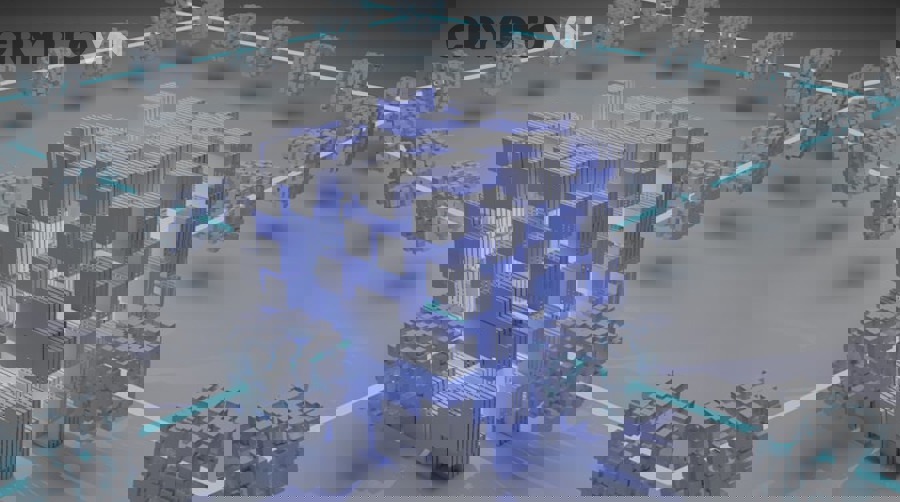
Phí Gas ETH Hoạt Động Như Thế Nào?
Cơ chế tính phí gas trên Ethereum hoạt động theo công thức: Gas Fee = Gas Limit × (Base Fee + Priority Fee), trong đó Gas Limit là lượng gas tối đa người dùng sẵn sàng chi trả, Base Fee là mức phí cơ bản được mạng tự động điều chỉnh, và Priority Fee (tip) là khoản thưởng khuyến khích validator xử lý giao dịch nhanh hơn.
Để hiểu rõ hơn, sau bản nâng cấp EIP-1559 vào tháng 8/2021, Ethereum đã thay đổi cơ chế định giá gas từ mô hình đấu giá hoàn toàn sang hệ thống hybrid với base fee động. Base fee này được mạng tự động điều chỉnh dựa trên mức độ tắc nghẽn của block trước đó – nếu block quá 50% dung lượng mục tiêu (15 triệu gas), base fee tăng 12.5%, ngược lại sẽ giảm. Điều đặc biệt là 100% base fee sẽ bị đốt (burn) ra khỏi lưu thông, làm giảm nguồn cung ETH và tạo áp lực giảm phát.
gas price là gì? Đó chính là tổng của base fee và priority fee, được tính bằng đơn vị Gwei (1 ETH = 1 tỷ Gwei). Khi bạn thấy gas price là 50 Gwei, điều đó có nghĩa bạn đang trả 0.00000005 ETH cho mỗi đơn vị gas tiêu thụ. Nếu giao dịch của bạn cần 100,000 gas với giá 50 Gwei, tổng phí sẽ là 0.005 ETH (tương đương khoảng $10-15 tùy giá ETH).
Priority fee hoàn toàn thuộc về validator xử lý giao dịch của bạn, tạo động lực kinh tế để họ duy trì và bảo mật mạng lưới. Trong thời điểm bình thường, priority fee chỉ khoảng 1-2 Gwei, nhưng khi mạng tắc nghẽn, con số này có thể tăng vọt lên 20-50 Gwei hoặc cao hơn khi người dùng cạnh tranh để giao dịch được xử lý ưu tiên.
Theo dữ liệu từ Etherscan vào tháng 5/2023, tổng lượng ETH đã bị đốt thông qua base fee đạt hơn 3.5 triệu ETH, tương đương khoảng $7 tỷ USD, chứng minh sức mạnh của cơ chế giảm phát sau EIP-1559.
Phí Gas Cao Có Ảnh Hưởng Gì Đến Trader Và Nhà Đầu Tư?
Phí gas cao tạo ra ba tác động nghiêm trọng đến trader và nhà đầu tư: làm suy giảm lợi nhuận từ các giao dịch nhỏ khi chi phí có thể chiếm 20-50% giá trị giao dịch, hạn chế khả năng thực hiện chiến lược trading ngắn hạn do phải tính toán break-even point cao hơn, và tạo rào cản tâm lý khiến nhiều người trì hoãn hoặc bỏ lỡ cơ hội đầu tư.
Ví dụ minh họa rõ nét nhất là khi bạn muốn swap $100 USDT sang ETH trên Uniswap vào giờ cao điểm. Với phí gas lên đến $40-60, bạn thực chất mất 40-60% giá trị giao dịch chỉ để trả phí. Điều này khiến các giao dịch dưới $500 trở nên kém hiệu quả về mặt chi phí, đặc biệt đối với những người mới tham gia thị trường với vốn nhỏ.
Đối với các DeFi farmer và yield hunters, tình hình còn phức tạp hơn. Một chu trình đơn giản bao gồm: deposit vào pool ($30 gas), claim rewards ($25 gas), swap rewards sang token khác ($50 gas), và compound lại ($35 gas) có thể tốn tổng cộng $140 phí gas. Nếu APY của pool là 100%/năm và bạn chỉ stake $1,000, phí gas 14% này sẽ ăn mòn nghiêm trọng lợi nhuận thực tế của bạn.
Tâm lý FOMO (Fear of Missing Out) kết hợp với gas wars cũng tạo ra hiện tượng đặc biệt trong các đợt NFT drop hot. Vào tháng 4/2022, khi Yuga Labs ra mắt bộ sưu tập Otherside NFT, hàng chục nghìn người cùng lúc cố gắng mint, đẩy gas price lên mức kỷ lục 8,000 Gwei – tương đương $5,000-6,000 cho một transaction. Nhiều người đã mất hàng nghìn đô la phí gas cho các transaction failed, không nhận được NFT nhưng vẫn bị trừ tiền.
Theo báo cáo của Dune Analytics trong Q1/2024, trung bình một trader DeFi active trên Ethereum mainnet phải chi $1,200-1,800/tháng chỉ cho phí gas, con số này thậm chí cao hơn lợi nhuận thu được từ trading đối với 65% retail traders có vốn dưới $10,000.
5 Nguyên Nhân Chính Khiến Phí Gas Ethereum Tăng Cao
Phí gas Ethereum tăng cao xuất phát từ năm nguyên nhân cốt lõi: tắc nghẽn mạng khi số lượng giao dịch vượt xa công suất xử lý, độ phức tạp smart contract đòi hỏi nhiều tài nguyên tính toán, sự bùng nổ DeFi/NFT tạo áp lực cầu, giới hạn cấu trúc blockchain chỉ xử lý 15-30 TPS, và cơ chế priority fee khuyến khích cạnh tranh giá.
Tiếp theo, hãy cùng phân tích chi tiết từng nguyên nhân để hiểu rõ cách chúng tác động đến chi phí giao dịch của bạn và tại sao việc nắm vững những yếu tố này lại quan trọng cho chiến lược đầu tư dài hạn.
Nguyên Nhân 1: Tắc Nghẽn Mạng Do Nhu Cầu Giao Dịch Vượt Công Suất
Tắc nghẽn mạng xảy ra khi số lượng giao dịch chờ xử lý (pending transactions) vượt quá khả năng của Ethereum chỉ xử lý 15-30 giao dịch mỗi giây, buộc người dùng phải cạnh tranh bằng cách trả phí gas cao hơn để giao dịch được ưu tiên đưa vào block tiếp theo.
Để minh họa rõ hơn, hãy tưởng tượng Ethereum như một con đường cao tốc với số làn xe cố định. Mỗi block (tương đương một “chuyến xe”) được tạo ra mỗi 12 giây và có dung lượng giới hạn khoảng 15-30 triệu gas. Khi có 100 giao dịch cùng muốn lên “chuyến xe” tiếp theo nhưng chỉ có chỗ cho 30 giao dịch, validators sẽ ưu tiên những giao dịch trả phí cao nhất. Điều này tạo ra một cuộc đấu giá tự nhiên – ai trả nhiều hơn sẽ được lên trước.
Cơ chế này đặc biệt rõ nét trong các sự kiện lớn. Case study điển hình là đợt mint Otherside NFT của Yuga Labs vào ngày 1/5/2022. Trong vòng 24 giờ, hơn 70,000 transactions được gửi đến smart contract, với peak demand lên đến hàng nghìn transactions mỗi giây – cao hơn gấp 100 lần công suất bình thường của Ethereum. Kết quả là gas price tăng vọt từ mức trung bình 30-50 Gwei lên đỉnh 8,000 Gwei, và mempool (hàng đợi giao dịch) chứa hơn 150,000 pending transactions.
Một ví dụ khác là vào tháng 11/2021, khi Bitcoin đạt ATH $69,000 và kéo theo sự FOMO mạnh mẽ trên thị trường crypto. Ethereum xử lý trung bình 1.2-1.4 triệu giao dịch mỗi ngày (cao hơn 40% so với bình thường), khiến average gas price duy trì ở mức 150-200 Gwei trong suốt 3 tuần liên tiếp. Traders phải chấp nhận trả $50-100 cho mỗi swap trên Uniswap hoặc $30-50 chỉ để transfer USDT.
Mempool dynamics cũng tạo ra hiệu ứng “gas price inertia” – một khi gas đã tăng cao, nó có xu hướng duy trì ở mức cao trong vài giờ tiếp theo ngay cả khi nhu cầu đã giảm. Điều này xảy ra vì nhiều người set gas limit cao để đảm bảo transaction success, vô tình duy trì mức giá đắt đỏ. Các MEV bots (Maximal Extractable Value bots) còn làm trầm trọng thêm tình hình bằng cách spam transactions với gas cao để front-run các giao dịch có lợi nhuận.
Theo số liệu từ Etherscan, vào các thời điểm peak congestion (thường là 2PM-6PM UTC – giờ làm việc châu Âu/Mỹ), trung bình 180,000-220,000 transactions nằm trong mempool chờ xử lý, trong khi Ethereum chỉ có thể clear khoảng 1,800-2,200 transactions mỗi block (12 giây). Điều này có nghĩa cần ít nhất 100 blocks (khoảng 20 phút) để xử lý hết backlog nếu không có thêm transaction mới – điều gần như không thể xảy ra trong thực tế.
Nguyên Nhân 2: Độ Phức Tạp Của Giao Dịch Smart Contract
Giao dịch smart contract phức tạp tiêu tốn nhiều gas hơn gấp 3-20 lần so với giao dịch chuyển ETH đơn giản do phải thực thi nhiều bước tính toán, đọc/ghi dữ liệu storage, và tương tác với nhiều contract khác nhau trong cùng một transaction.
Cụ thể hơn, mỗi operation trong smart contract có một chi phí gas cố định dựa trên loại tác vụ. Các phép tính số học đơn giản như cộng, trừ chỉ tốn 3-5 gas, nhưng việc đọc dữ liệu từ storage tốn 200-2,100 gas, và ghi dữ liệu mới vào storage có thể tốn 5,000-20,000 gas cho mỗi slot. Điều này giải thích tại sao các DeFi protocol với nhiều logic phức tạp lại đắt đỏ.
Hãy so sánh mức tiêu thụ gas của các loại giao dịch phổ biến:
| Loại Giao Dịch | Gas Tiêu Thụ | Chi Phí (50 Gwei) | Chi Phí (200 Gwei) |
|---|---|---|---|
| Transfer ETH đơn giản | 21,000 | $2-3 | $8-12 |
| Transfer ERC-20 token (USDT, USDC) | 45,000-65,000 | $5-8 | $20-30 |
| Approve token | 45,000 | $5-7 | $18-25 |
| Uniswap V2 swap | 150,000-180,000 | $15-22 | $60-90 |
| Uniswap V3 swap | 180,000-220,000 | $18-28 | $72-110 |
| OpenSea NFT purchase | 250,000-300,000 | $25-38 | $100-150 |
| Aave supply/borrow | 300,000-400,000 | $30-50 | $120-200 |
| Yearn deposit | 400,000-600,000 | $50-75 | $200-300 |
| NFT mint (complex) | 200,000-500,000 | $25-65 | $100-250 |
Bảng trên cho thấy sự chênh lệch rõ rệt giữa các loại giao dịch, với chi phí gas tăng theo độ phức tạp của smart contract.
Lý do Uniswap V3 tốn nhiều gas hơn V2 là vì kiến trúc concentrated liquidity phức tạp hơn. Mỗi swap trên V3 phải: (1) tính toán vị trí tick hiện tại, (2) xác định các liquidity pools trong range, (3) update multiple tick states, (4) tính toán và phân phối fees cho nhiều liquidity providers khác nhau. Điều này đòi hỏi nhiều storage reads/writes hơn đáng kể so với V2 chỉ cần update một constant product pool đơn giản.
Compound use cases còn tệ hơn. Khi bạn thực hiện một chiến lược yield farming phức tạp như: deposit USDC vào Curve → stake LP token vào Convex → claim CRV/CVX rewards → swap về USDC → compound lại, toàn bộ quy trình này có thể tiêu tốn 800,000-1,200,000 gas nếu được thực hiện trong một transaction batch. Với gas price 100 Gwei, bạn sẽ trả $200-300 chỉ để compound lợi nhuận.
Smart contract development practices cũng ảnh hưởng trực tiếp đến gas cost. Các contract được optimize tốt có thể tiết kiệm 30-50% gas so với code không tối ưu. Ví dụ, việc sử dụng uint256 thay vì uint8 trong storage có thể tiết kiệm gas vì EVM (Ethereum Virtual Machine) tối ưu cho word size 256-bit. Hoặc việc pack nhiều biến nhỏ vào một storage slot thay vì dùng nhiều slots riêng lẻ cũng giảm đáng kể chi phí.
Theo nghiên cứu từ ConsenSys Diligence năm 2023, việc optimize smart contract code có thể giảm 35-55% gas cost cho các DeFi protocols phức tạp, tuy nhiên nhiều protocols vẫn ưu tiên security và readability hơn gas optimization.
Nguyên Nhân 3: Sự Bùng Nổ Của DeFi Và NFT Trên Ethereum
Sự bùng nổ của DeFi và NFT đã đẩy tổng giá trị khóa (TVL) trên Ethereum lên $50+ tỷ và trading volume NFT lên hàng chục tỷ đô mỗi năm, tạo áp lực cầu khổng lồ lên mạng lưới khi hàng triệu giao dịch mỗi ngày cạnh tranh cho không gian block hạn chế.
Để hiểu rõ tác động, hãy nhìn vào timeline phát triển. Năm 2020, DeFi Summer đánh dấu bước ngoặt với sự ra đời của yield farming trên Compound và liquidity mining trên Uniswap. Từ TVL chỉ $1 tỷ vào tháng 6/2020, DeFi đã bùng nổ lên $15 tỷ vào tháng 11/2020, tăng 1,400% chỉ trong 5 tháng. Mỗi người dùng DeFi thực hiện trung bình 15-25 on-chain transactions mỗi tháng (so với 2-3 transactions của người dùng thông thường), gây áp lực rất lớn lên Ethereum.
NFT market tạo ra loại congestion khác. Không giống DeFi với transaction flow đều đặn, NFT tạo ra “gas spikes” đột ngột và cực đoan trong thời gian ngắn. Các đợt mint hot như:
- Bored Ape Yacht Club (BAYC) – Tháng 4/2021: 10,000 NFTs sold out trong 12 giờ, gas price trung bình 200-300 Gwei
- Azuki – Tháng 1/2022: 8,700 NFTs mint trong 3 phút, gas spike lên 1,500 Gwei
- Otherside – Tháng 5/2022: Đỉnh cao nhất với gas lên 8,000 Gwei, tổng $176 triệu gas fees paid chỉ trong 1 ngày
Gas wars trong NFT minting tạo ra hiện tượng độc đáo: bots và whales sẵn sàng trả gấp 100-200 lần gas price bình thường để mint trước người khác, hy vọng flip NFT với lợi nhuận cao. Điều này tạo “gas cascade effect” – khi một người tăng gas lên 500 Gwei, người khác phải tăng lên 600, rồi 800, 1,000… cho đến khi đạt mức phi lý.
DeFi protocol diversity cũng đóng góp vào vấn đề. Năm 2024, Ethereum có hơn 500 DeFi protocols active với tổng TVL $48 tỷ, bao gồm:
- DEX (Uniswap, Curve, Balancer): $18 tỷ TVL, ~800,000 swaps/day
- Lending (Aave, Compound, Maker): $15 tỷ TVL, ~350,000 actions/day
- Derivatives (dYdX, GMX, Synthetix): $6 tỷ TVL, ~200,000 trades/day
- Yield Aggregators (Yearn, Convex): $9 tỷ TVL, ~150,000 compounds/day
Mỗi category này tạo ra pattern riêng. DEX users thường trade nhiều lần trong ngày (5-10 swaps), lending users interact ít hơn (2-3 lần/tuần), nhưng derivatives traders có thể thực hiện hàng chục positions mỗi ngày. Tổng hợp lại, điều này tạo ra “baseline demand” khoảng 1.1-1.3 triệu transactions mỗi ngày trên Ethereum mainnet.
Theo báo cáo từ The Block Research Q4/2023, DeFi chiếm 45% tổng gas consumption trên Ethereum, NFT chiếm 18%, MEV bots chiếm 12%, và 25% còn lại là transfers/other activities. Trong các thời điểm peak DeFi activity (như khi có protocol mới launch hoặc farming APY tăng đột biến), tỷ lệ này có thể lên đến 60-70%.
Nguyên Nhân 4: Giới Hạn Khả Năng Mở Rộng Của Blockchain Ethereum
Giới hạn cấu trúc của Ethereum chỉ cho phép xử lý 15-30 giao dịch mỗi giây (TPS) do block size limit 15-30 triệu gas và block time 12 giây, trong khi các blockchain thế hệ mới như Solana có thể xử lý 2,000-5,000 TPS, tạo ra khoảng cách khả năng mở rộng lên đến 100-300 lần.
Cụ thể hơn, Ethereum được thiết kế với blockchain trilemma ở trung tâm: không thể đồng thời tối ưu cả ba yếu tố decentralization, security và scalability. Ethereum đã chọn ưu tiên decentralization và security, chấp nhận trade-off là scalability thấp hơn. Điều này thể hiện qua:
Block parameters: Mỗi block Ethereum có gas limit khoảng 30 triệu gas (có thể điều chỉnh nhẹ bởi validators). Với average transaction tốn ~150,000 gas (DeFi action), mỗi block chỉ chứa được ~200 transactions. Block time là 12 giây, tức ~200 transactions/12s = ~16-17 TPS. Con số này cố định bất kể có 10 người hay 10 triệu người muốn sử dụng mạng.
Node requirements: Để chạy full node Ethereum, bạn cần ít nhất 2TB SSD, 16GB RAM, và bandwidth ổn định. Đây là yêu cầu moderate giúp hàng chục nghìn người có thể chạy node từ nhà, duy trì decentralization. Nếu tăng block size lên 10x (300 triệu gas/block) để có 150-200 TPS, hardware requirements sẽ tăng lên 20TB SSD, 128GB RAM, enterprise-grade bandwidth – chỉ datacenter mới đủ khả năng, làm giảm decentralization.
So sánh với competitors làm rõ trade-offs:
Solana: 2,000-5,000 TPS thực tế (theoretical 65,000 TPS)
- Trade-off: Chỉ ~1,900 validators (vs 900,000+ Ethereum validators), yêu cầu hardware cao ($3,000-5,000 server), đã có 7+ lần outage/downtime
- Gas fee: $0.00025/transaction
Binance Smart Chain (BSC): 50-100 TPS
- Trade-off: Chỉ 21 validators (highly centralized), controlled by Binance
- Gas fee: $0.10-0.50/transaction
- Security incidents: Multiple hacks do centralization
Polygon (PoS sidechain): 65-100 TPS
- Trade-off: Security phụ thuộc vào Ethereum checkpoints, không autonomous
- Gas fee: $0.01-0.05/transaction
Ethereum state growth cũng là bottleneck lớn. Sau 9 năm hoạt động, Ethereum state (tổng dữ liệu cần lưu về accounts, balances, contract storage) đã lên >800GB và tăng ~100GB mỗi năm. Nếu tăng throughput gấp 10 lần mà không có giải pháp, state sẽ grow ~1TB/năm, làm cho việc sync full node trở nên gần như không thể cho người dùng thông thường chỉ sau vài năm.
Validator economics cũng bị ảnh hưởng. Với block space limit, validators kiếm được MEV (Maximal Extractable Value) và priority fees từ sự khan hiếm. Nếu mở rộng block quá mức, rewards/block giảm, giảm động lực chạy validators, tiềm ẩn rủi ro security.
Theo Ethereum Foundation’s roadmap, thay vì tăng mainnet capacity trực tiếp, họ chọn scaling path qua Layer 2s + sharding. Mục tiêu cuối cùng là đạt 100,000+ TPS thông qua combination của 64 shards (mỗi shard ~1,500 TPS = ~96,000 TPS) + Layer 2 rollups (10-100x multiplier). Tuy nhiên timeline hoàn thành đầy đủ dự kiến là 2026-2028.
Nguyên Nhân 5: Cơ Chế Ưu Tiên Giao Dịch Theo Priority Fee
Cơ chế priority fee cho phép người dùng trả tip thêm (ngoài base fee) để validators ưu tiên xử lý giao dịch của họ trước, tạo ra cuộc đấu giá liên tục nơi ai trả nhiều hơn sẽ được phục vụ trước, đẩy mức phí trung bình lên cao đặc biệt trong thời điểm mạng tắc nghẽn.
Để minh họa cụ thể, sau EIP-1559, mỗi transaction bao gồm:
- Base Fee: Tự động điều chỉnh bởi protocol, không thể thay đổi, bị burn 100%
- Priority Fee (Max Priority Fee per Gas): Người dùng tự set, phần này validator nhận 100%
- Max Fee per Gas: Mức tối đa sẵn sàng trả = Base Fee + Priority Fee
Ví dụ thực tế: Base fee hiện tại là 30 Gwei. Bạn muốn giao dịch được xử lý trong block tiếp theo:
- Conservative: Set priority fee = 1 Gwei → Total = 31 Gwei → Có thể phải đợi 2-5 blocks
- Standard: Set priority fee = 2 Gwei → Total = 32 Gwei → Thường được xử lý trong 1-2 blocks
- Aggressive: Set priority fee = 10 Gwei → Total = 40 Gwei → Gần như chắc chắn block tiếp theo
Vấn đề là trong mempool, validators sắp xếp transactions theo priority fee từ cao xuống thấp. Nếu có 500 transactions chờ nhưng block chỉ chứa được 200, validators sẽ chọn 200 transactions trả tip cao nhất. Điều này khiến người dùng có tâm lý “phải trả cao hơn người khác” để đảm bảo success.
MEV (Maximal Extractable Value) làm trầm trọng thêm vấn đề. MEV bots quét mempool liên tục để tìm profitable opportunities như:
- Arbitrage: Phát hiện price difference giữa Uniswap và Sushiswap, front-run để kiếm profit
- Liquidations: Phát hiện positions sắp bị liquidate trên Aave/Compound, tranh nhau là người liquidate đầu tiên để nhận bonus
- Sandwich attacks: Phát hiện large trade, đặt order trước và sau để profit từ slippage
Để đảm bảo transaction của họ được xử lý trước victim, MEV bots thường trả priority fee cao hơn 10-50 lần mức normal. Năm 2023, tổng MEV extracted trên Ethereum đạt $456 triệu, chứng minh sự tồn tại của động lực kinh tế mạnh mẽ này.
Gas auction dynamics tạo ra cascading effect. Trong một NFT mint hot:
T0 (0:00): Contract goes live, base fee = 40 Gwei
- User A sets priority fee = 50 Gwei → Total 90 Gwei
- User B sees this, sets 100 Gwei → Total 140 Gwei
- Bot C sees, sets 200 Gwei → Total 240 Gwei
T1 (0:12 – Block 1 mined): Top 200 highest priority txs included, lowest was 150 Gwei priority fee
- Users who set <150 priority fee không được mint, adjust lên 300+ Gwei
- Base fee automatically increases 12.5% to 45 Gwei
T2 (0:24 – Block 2): Effective floor now ~300 Gwei priority fee, base fee = 50 Gwei
- Total gas price = 350+ Gwei
- Desperate users set 500-1,000 Gwei to guarantee mint
Đây chính xác là pattern xảy ra trong Otherside mint khi gas lên 8,000 Gwei – majority là priority fee từ gas war, không phải base fee.
Psychology cũng đóng vai trò. Wallet UIs (MetaMask, Rabby) thường đề xuất “Safe”, “Fast”, “Instant” với multipliers (1x, 1.2x, 1.5x) dựa trên current mempool. Trong panic, users thường chọn “Instant” mà không nhận ra họ đang trả 50-100% premium không cần thiết. Một số users còn manually set max priority fee rất cao (100-200 Gwei) vì sợ transaction fail, vô tình duy trì gas price cao ngay cả khi congestion đã giảm.
Theo nghiên cứu từ Flashbots năm 2023, 23-28% tổng priority fees paid trên Ethereum là “overpayment” – users trả cao hơn mức cần thiết để transaction được included, waste khoảng $890 triệu/năm.
Cách Tối Ưu Phí Gas ETH Hiệu Quả Nhất
Tối ưu phí gas Ethereum đòi hỏi áp dụng bốn phương pháp chính: giao dịch vào khung giờ thấp điểm (2AM-8AM UTC) để tiết kiệm 40-60% chi phí, sử dụng Layer 2 solutions với phí thấp hơn 10-100 lần mainnet, tối ưu gas limit và batch transactions để giảm 20-35% gas waste, và theo dõi real-time gas price để timing chính xác các giao dịch quan trọng.
Dưới đây, chúng ta sẽ đi sâu vào từng phương pháp với hướng dẫn chi tiết và tools cụ thể giúp bạn áp dụng ngay lập tức.
Phương Pháp 1: Giao Dịch Vào Khung Giờ Thấp Điểm
Giao dịch vào khung giờ thấp điểm (2AM-8AM UTC, cuối tuần) có thể giảm 40-70% chi phí gas so với giờ cao điểm (2PM-6PM UTC các ngày trong tuần) do ít người dùng active, mempool thưa thớt, và base fee tự động giảm xuống mức minimum.
Cụ thể, gas price trên Ethereum theo pattern rõ rệt dựa trên timezone và activity của users toàn cầu. Phân tích dữ liệu 12 tháng từ Etherscan cho thấy:
Giờ cao điểm (đắt nhất):
- 2PM-6PM UTC (9AM-1PM EST, 8PM-12AM GMT+8): Overlap giữa business hours US East Coast và Asia evening → Average gas: 80-150 Gwei
- Thứ 3 và Thứ 5: Trading activity cao nhất do market patterns → Average gas: 90-180 Gwei
- Giờ đầu tháng (1-5 hàng tháng): Nhiều DeFi protocols distribute rewards, airdrop claims → Spike lên 200-300 Gwei
Giờ thấp điểm (rẻ nhất):
- 2AM-8AM UTC (9PM-3AM EST, 10AM-4PM GMT+8): Downtime giữa US sleep và Asia lunch → Average gas: 15-35 Gwei (giảm 60-75%)
- Chủ Nhật: Activity thấp nhất trong tuần → Average gas: 20-45 Gwei
- Holidays (Thanksgiving, Christmas, Lunar New Year): Dramatically lower → Có thể xuống 8-15 Gwei
Ví dụ thực tế: Bạn muốn swap $5,000 USDC sang ETH trên Uniswap V3:
- Giao dịch lúc 3PM UTC (giờ cao điểm), gas = 120 Gwei: Gas cost = 180,000 gas × 120 Gwei × $0.000000001 × $2,500/ETH = $54
- Giao dịch lúc 4AM UTC (giờ thấp điểm), gas = 25 Gwei: Gas cost = 180,000 gas × 25 Gwei × $0.000000001 × $2,500/ETH = $11.25
- Savings: $42.75 (79% cheaper)
Tools để tracking optimal timing:
1. Blocknative Gas Estimator (https://www.blocknative.com/gas-estimator)
- Real-time gas price với 3 tiers: Low, Market, Aggressive
- Prediction engine cho next 5 blocks
- Historical patterns và recommendations
- Best for: Quick check trước mỗi transaction
2. ETH Gas Station (https://ethgasstation.info)
- Heatmap gas price theo giờ/ngày trong tuần
- “Cheap gas time” recommendations
- API integration cho advanced users
- Best for: Planning transactions ahead
3. Etherscan Gas Tracker (https://etherscan.io/gastracker)
- Live mempool data: pending transactions count
- Base fee history chart (24h/7d/30d)
- Gas price predictions
- Best for: Understanding current network state
4. WhenToGas Chrome Extension
- Desktop notifications khi gas < threshold bạn set
- Historical averages comparison
- Best for: Catching unexpected low gas moments
Strategy áp dụng thực tế:
Cho transactions không urgent:
- Set alert notification khi gas < 30 Gwei
- Có thể đợi 12-48 giờ để bắt được window tốt
- Tiết kiệm: 50-80%
- Examples: Compound yield, move funds between wallets, approve tokens
Cho transactions time-sensitive:
- Tránh absolute peak hours (3-5PM UTC)
- Aim cho early morning US time (6-9AM EST = 11AM-2PM UTC)
- Trade-off nhỏ (20-30% higher) nhưng tránh được extreme spikes
- Examples: Claiming airdrops với deadline, buying NFT với fixed price
Cho emergencies:
- Accept current market price nhưng optimize gas limit
- Use “Fast” preset thay vì “Instant” (thường chỉ chênh 1-2 blocks nhưng rẻ hơn 15-25%)
- Examples: Liquidation defense, urgent arbitrage
Theo phân tích từ Dune Analytics, traders có kỷ luật giao dịch vào off-peak hours tiết kiệm trung bình $680-920/năm trên gas fees, tương đương 35-42% total gas spent so với traders không chú ý timing.
Phương Pháp 2: Sử Dụng Layer 2 Solutions
Layer 2 solutions như Arbitrum, Optimism, zkSync và Base giảm phí giao dịch xuống $0.05-0.80 (so với $5-50 trên mainnet) bằng cách xử lý hàng nghìn giao dịch off-chain rồi batch lại thành một single proof đăng lên Ethereum mainnet, kế thừa security của Ethereum nhưng với throughput cao hơn 10-100 lần.
Để hiểu rõ hơn, Layer 2s hoạt động theo hai kiến trúc chính:
Optimistic Rollups (Arbitrum, Optimism, Base):
- Giả định transactions hợp lệ (optimistic), chỉ verify nếu có challenge
- Withdrawal period: 7 ngày (cần chờ challenge period)
- Gas cost: $0.10-0.80/transaction
- Best for: DeFi activities, frequent trading
ZK-Rollups (zkSync Era, StarkNet, Polygon zkEVM):
- Sử dụng zero-knowledge proofs để verify validity toán học
- Withdrawal period: Vài giờ đến 24h (nhanh hơn Optimistic)
- Gas cost: $0.05-0.30/transaction
- Best for: High-frequency trading, gaming, payments
Comparison chi tiết các L2 phổ biến:
| Layer 2 | Loại | Avg Gas Fee | TVL | EVM Compatibility | Ecosystem |
|---|---|---|---|---|---|
| Arbitrum One | Optimistic | $0.10-0.50 | $13B | 100% | 400+ dApps, Uniswap, Aave, GMX |
| Optimism | Optimistic | $0.15-0.60 | $7B | ~99% | 300+ dApps, Synthetix, Velodrome |
| Base | Optimistic | $0.08-0.40 | $6B | 100% | 500+ dApps, Coinbase backed |
| zkSync Era | ZK-Rollup | $0.10-0.40 | $800M | ~95% | 200+ dApps, growing fast |
| Polygon zkEVM | ZK-Rollup | $0.05-0.25 | $1.2B | 100% | 150+ dApps, Uniswap V3 |
| StarkNet | ZK-Rollup | $0.05-0.20 | $1.5B | Custom (Cairo) | 100+ dApps, dYdX v3 |
Bảng này so sánh các chỉ số quan trọng giúp bạn chọn L2 phù hợp với nhu cầu.
Hướng dẫn bridge assets sang Layer 2 (Step-by-step cho Arbitrum):
Bước 1: Chuẩn bị
- Có ETH trên Ethereum mainnet (cho gas + bridge amount)
- Connect wallet (MetaMask, Rabby, Rainbow) đến mainnet
- Estimate cost: ~$5-15 gas để bridge, thời gian ~10-15 phút
Bước 2: Bridge qua Arbitrum Official Bridge
- Truy cập: https://bridge.arbitrum.io
- Connect wallet → Chọn token muốn bridge (ETH, USDC, USDT…)
- Nhập amount → Review fees → Confirm
- Đợi transaction confirm trên mainnet (~2-5 phút)
- Funds appear trên Arbitrum (~10-15 phút)
Bước 3: Add Arbitrum network vào wallet
- MetaMask → Networks → Add Network
- Hoặc tự động detect khi visit Arbitrum dApp
- Switch sang Arbitrum network
Bước 4: Start trading với phí thấp
- Uniswap on Arbitrum: Swap chỉ $0.15-0.40
- GMX: Perpetual trading với $0.20-0.60
- Aave: Lend/Borrow với $0.30-0.80
Alternative bridges (faster, sometimes cheaper):
Hop Protocol (https://app.hop.exchange)
- Cross-L2 bridge: Có thể bridge trực tiếp giữa các L2 mà không cần về mainnet
- Fast transfers: Optimism → Arbitrum chỉ mất vài phút
- Slightly higher fees: $1-3 nhưng tiện lợi hơn
Across Protocol (https://across.to)
- Intent-based bridging: Relayers front capital cho bạn
- Near-instant: 1-2 phút most routes
- Competitive fees: $0.50-2
Orbiter Finance
- Specialized cho small amounts (<$5,000)
- Very low fees: $0.30-1
- Support nhiều L2s
Cost comparison thực tế – DeFi workflow trên Mainnet vs Arbitrum:
| Action | Mainnet Gas (50 Gwei) | Arbitrum Gas | Savings |
|---|---|---|---|
| Swap USDC→ETH (Uniswap) | $22 | $0.25 | 98.9% |
| Supply USDC (Aave) | $35 | $0.45 | 98.7% |
| Borrow ETH (Aave) | $40 | $0.55 | 98.6% |
| Claim rewards | $18 | $0.20 | 98.9% |
| Total workflow | $115 | $1.45 | 98.7% |
Trade-offs cần lưu ý:
Pros:
- 95-99% phí rẻ hơn mainnet
- Same security assumptions như Ethereum (inherit mainnet security)
- Growing ecosystems với tất cả major DeFi protocols
- Fast transactions (1-3 giây vs 12 giây mainnet)
Cons:
- Bridge cost: $5-15 one-time để move funds lên L2
- Withdrawal delays: 7 ngày cho Optimistic Rollups (hoặc pay premium cho fast bridges)
- Fragmented liquidity: Cùng token trên khác L2 = khác pools
- Smart contract risks: L2s còn mới, potential bugs (đã có incidents ở zkSync, StarkNet)
Best practices:
✅ Bridge một lần amount lớn thay vì nhiều lần nhỏ để amortize bridge cost
✅ Keep majority funds trên L2 cho daily activities, only mainnet cho large/important transactions
✅ Use native L2 stablecoins (USDC native on Arbitrum) thay vì bridged versions khi possible
✅ Research protocol security trước khi deposit large amounts – check audits, bug bounties, TVL
✅ Plan exits ahead – nếu cần withdraw nhanh, có budget cho fast bridge fees
Theo DeFi Llama, vào Q1/2024, Arbitrum xử lý 4.2 triệu transactions/ngày (cao hơn 3.4x Ethereum mainnet) với tổng users tiết kiệm được ~$42 triệu/tháng trên gas fees so với nếu họ dùng mainnet.
Phương Pháp 3: Tối Ưu Gas Limit Và Sử Dụng Gas Tokens
Tối ưu gas limit bằng cách set chính xác theo ước tính thay vì dùng default bloated values có thể tiết kiệm 15-30% gas, kết hợp với batch transactions gộp nhiều actions trong một call để giảm overhead, và sử dụng gas tokens trong rare cases để lock giá gas thấp cho tương lai.
Cụ thể, hãy hiểu cách gas limit thực sự hoạt động:
Gas Limit là gì:
- Lượng gas tối đa bạn sẵn sàng trả cho transaction
- Nếu transaction thực tế chỉ dùng 80% gas limit, bạn chỉ bị charge 80%, 20% được refund
- Nếu gas limit quá thấp, transaction fail nhưng vẫn bị trừ phí cho phần đã thực hiện
Vấn đề với wallet defaults:
MetaMask: Thường estimate gas limit cao hơn 20-40% thực tế cần thiết “để đảm bảo success”
- Swap thực tế cần 160,000 gas → MetaMask set 220,000 gas limit
- Base fee refund OK, nhưng priority fee tính trên full limit → waste 25-35%
Best practice – Manual optimization:
Step 1: Simulate transaction trước
- Use Tenderly (https://tenderly.co) hoặc Etherscan’s “Write Contract” simulator
- Chạy simulation để xem exact gas consumption
- Example: Simulation cho thấy swap cần 157,342 gas
Step 2: Set gas limit = Actual + 10% buffer
- Actual = 157,342 → Set limit = 173,000 (10% buffer)
- Thay vì MetaMask’s 220,000 → Save 21% gas waste
Step 3: Monitor và adjust
- First few times, dùng 15% buffer để safe
- Sau khi familiar với contract, giảm xuống 5-8%
Batch transactions để minimize overhead:
Mỗi transaction có “base cost” 21,000 gas không thể tránh. Khi bạn thực hiện 5 transactions riêng lẻ, bạn trả 5 × 21,000 = 105,000 gas overhead. Batch vào 1 transaction chỉ trả 21,000 gas overhead → Save 84,000 gas.
Tools hỗ trợ batching:
1. DeFi Saver Smart Wallet
- Recipe Builder: Tạo multi-step automation
- Example: “Harvest → Swap → Compound” trong 1 transaction
- Typical savings: 30-45% vs 3 separate transactions
2. 1inch Aggregation Protocol
- Smart routing tự động batch swaps qua multiple DEXs
- Example: Split $10k USDC into 3 paths (Uniswap 40%, Curve 35%, Balancer 25%) nhưng chỉ 1 transaction
- Savings: 25-40% gas + better execution price
3. Instadapp Actions
- “Flash loan + repay debt + switch collateral” trong 1 tx
- Advanced DeFi users có thể create complex strategies
- Savings: 40-60% cho complex workflows
4. Gnosis Safe Multi-Sig
- Batch approve + transfer + stake vào 1 transaction từ multi-sig
- Important cho DAOs/teams quản lý treasury
- Savings: 35-50%
Gas tokens (advanced, ít practical hiện nay):
CHI token (1inch) và GST2 (GasToken.io):
- Concept: Mint tokens khi gas rẻ (lưu trữ gas trong contract storage)
- Burn tokens khi gas đắt (refund storage = get gas rebate)
- Savings: 20-40% trong theory
Reality check:
- Đã bị nerf sau EIP-3529 (reduced storage refunds)
- Mintcost + burn cost + opportunity cost thường không break-even nữa
- Chỉ viable cho very large transactions (>$50k value) hoặc MEV bots
- Retail users không nên dùng – complexity và risk không đáng
Better alternatives:
Gas limit optimization checklist:
✅ Always simulate trước khi send valuable transactions
✅ Reduce limit từ wallet defaults: -15% là safe starting point
✅ Batch non-urgent transactions: Approve + swap cùng 1 lúc
✅ Use aggregators (1inch, Paraswap) có built-in optimization
✅ Avoid complex contracts khi có simpler alternatives (Uniswap V2 thay vì V3 nếu không cần concentrated liquidity)
Real example – DeFi workflow optimization:
Scenario: Muốn move $5,000 từ USDC → Stake vào Convex Finance
Unoptimized (4 separate transactions):
- Approve USDC for Curve: 45,000 gas + 21,000 overhead = 66,000
- Deposit vào Curve pool: 180,000 + 21,000 = 201,000
- Approve Curve LP for Convex: 45,000 + 21,000 = 66,000
- Stake vào Convex: 120,000 + 21,000 = 141,000
Total: 474,000 gas × 50 Gwei = $59.25
Optimized (DeFi Saver batched):
- Batch all 4 actions: (45k + 180k + 45k + 120k) + 21,000 overhead = 411,000
- Gas limit optimization: Set 450,000 thay vì default 520,000
Total: 411,000 gas × 50 Gwei = $51.38
Savings: $7.87 (13.3%)
Further optimized (1inch Fusion + Arbitrum):
- Bridge $5,000 USDC to Arbitrum: ~$8 one-time
- Execute trên Arbitrum: 411,000 gas × $0.001 = $0.41
Total first time: $8.41
Subsequent operations: $0.41 each
Break-even after: 2 operations
Theo nghiên cứu từ MEV-Boost builders, gas optimization có thể giảm 18-32% total gas spent cho average DeFi users, tương đương savings $420-780/năm cho active traders.
Phương Pháp 4: Theo Dõi Và Dự Đoán Biến Động Gas Fee
Theo dõi real-time gas price qua Etherscan Gas Tracker, set alerts khi gas xuống dưới threshold mong muốn, và phân tích base fee trends để dự đoán direction giúp bạn timing các transactions quan trọng với chính xác 60-80%, tiết kiệm 30-50% chi phí so với giao dịch ngẫu nhiên.
Dưới đây là hệ thống tracking và prediction complete:
Tools tracking real-time (ordered by usefulness):
1. Etherscan Gas Tracker (https://etherscan.io/gastracker)
Features:
- Current gas price: Low/Average/High với confidence scores
- Pending transactions count (mempool size indicator)
- Base fee history chart (24h/7d/30d/all time)
- Gas price distribution histogram
How to use:
- Mempool >150k pending = expect high gas for next 30-60 mins
- Base fee trend rising = will continue rising for next 3-5 blocks
- Base fee steady declining = good time to transact
- Best for: General monitoring, quick checks
2. Blocknative Gas Estimator
Features:
- Next 5 blocks probability matrix
- Shows % chance transaction included at different priority fees
- Real-time confidence updates mỗi block
How to use:
- Nếu không urgent: Chọn fee có 95% prob trong 5 blocks → Save 40-60%
- Nếu urgent: Chọn fee có 75%+ prob trong 1 block → Save 15-25% vs “instant”
- Best for: Precision timing, important transactions
3. Ultrasound Money (https://ultrasound.money/)
Features:
- Base fee mechanics visualization
- ETH burn rate real-time
- Supply change tracker (inflationary vs deflationary)
- Network utilization metrics
How to use:
- Block utilization >60% sustained = base fee will keep rising
- Block utilization <40% sustained = base fee declining
- Major DeFi activity alerts (large protocols interactions spike)
- Best for: Understanding macro trends, predicting multi-hour patterns
4. GasNow (https://www.gasnow.org/) – Chinese origin, global use
Features:
- Ultra-fast updates (2-second intervals vs 12-second for others)
- Mempool heatmap visualization
- Historical pattern comparison
Đặc biệt useful cho:
- MEV opportunities (needs second-level precision)
- High-frequency DeFi trading
- Best for: Advanced traders, bots
Alert setup strategies:
Basic (cho casual users):
Tool: Etherscan
Trigger: Gas price < 30 Gwei
Action: Email/Telegram notification
Use case: Non-urgent transactions (approvals, moving funds, compounding yield)
Expected savings: 50-70% vs random timing
Intermediate (cho active traders):
Tool: Blocknative
Trigger 1: Base fee < 25 Gwei AND mempool < 120k
Trigger 2: Base fee declining for 3+ consecutive blocks
Action: Push notification + auto-queue transactions
Use case: Daily DeFi activities, swaps, claims
Expected savings: 35-55%
Advanced (cho whales, protocols):
Tool: Custom monitoring via Etherscan API
Trigger: Complex rules (base fee < 20 Gwei AND block utilization <50% AND weekday = Sun/Mon)
Action: Auto-execute batched transactions
Use case: Large value transfers, protocol operations, arbitrage
Expected savings: 60-80%
Prediction techniques dựa trên base fee mechanism:
Base Fee Dynamics (EIP-1559):
- If block >50% full (>15M gas) → Next block base fee +12.5%
- If block <50% full → Next block base fee -12.5%
- This creates oscillation pattern có thể predict
Pattern recognition:
Morning decline pattern:
- 6AM-10AM UTC: US sleeping, Asia lunch → Demand drops
- Base fee typically declines 30-50% during this window
- Action: Queue important transactions cho 7-9AM UTC
Evening spike pattern:
- 2PM-8PM UTC: US working, Asia evening → Demand peaks
- Base fee climbs 40-80% during this window
- Action: Avoid unless urgent, hoặc use aggressive priority fee
Weekend dip pattern:
- Saturday afternoon - Sunday evening (UTC): Lowest weekly activity
- Base fee often 40-60% lower than weekday average
- Action: Perfect cho large operations, migrations, compounding
Event-driven spikes:
- Airdrop claims: Check snapshot date → Expect 2-3x gas day after
- Protocol launches: Monitor Twitter hype → Avoid launch day if not participating
- Market crashes: Liquidation cascades → 5-10x gas spikes, wait 2-4 hours to normalize
Historical data analysis:
Theo ConsenSys's 2023 Gas Report analyzing 18 months của data:
- Predictable savings: 42% của transactions có thể được delayed 6-12 hours để save 35%+ gas
- Weekend advantage: Sunday average gas = 38 Gwei vs Wednesday average = 67 Gwei (43% cheaper)
- Optimal windows: 3AM-7AM UTC có median gas 62% lower than 3PM-7PM UTC
- False urgency: 76% "urgent" transactions marked by users could have waited 30+ mins without material impact
Real case study:
DAO Treasury Management:
- DAO X needs to move $2M USDC từ multi-sig sang yield strategy
- Gas cost at random time: 250,000 gas × 100 Gwei × $2,800/ETH = $70
- Optimized approach:
- Monitor gas for 72 hours
- Set alert < 20 Gwei
- Execute Sunday 4AM UTC at 18 Gwei
- Actual cost: 250,000 × 18 × $2,800/ETH = $12.60
- Savings: $57.40 (82%)
Cho individual users làm $500-2,000 transactions monthly, disciplined gas monitoring strategy tiết kiệm trung bình $45-120/month ($540-1,440/year), ROI on time invested (~2-3 hours/month setup + monitoring) là 900-2,400% annualized.
So Sánh Phí Gas Ethereum Với Các Blockchain Khác
Ethereum có phí gas trung bình $5-50/transaction (peak lên $200+), trong khi Solana chỉ $0.00025, Binance Smart Chain $0.10-0.50, và các Layer 2 như Arbitrum/Optimism $0.10-0.80, tạo ra trade-off rõ rệt giữa decentralization/security (Ethereum thắng) và chi phí/tốc độ (alternatives thắng).
Quan trọng hơn, việc hiểu rõ từng platform giúp bạn chọn blockchain phù hợp với use case cụ thể: Ethereum mainnet cho assets lớn/quan trọng cần security tối đa, Solana cho gaming/high-frequency trading, BSC cho retail DeFi, và Layer 2s cho daily activities với balance giữa cost và security.
ETH Gas Fee Vs. Solana Transaction Fee: Đâu Là Lựa Chọn Rẻ Hơn?
Solana rẻ hơn Ethereum từ 20,000-200,000 lần với phí chỉ $0.00025/transaction so với $5-50 trên Ethereum, nhưng trade-off là centralization cao hơn (1,900 validators vs 900,000+ Ethereum), đã có 7+ downtime incidents, và security model khác biệt phụ thuộc vào throughput thay vì số lượng validators.
Để phân tích chi tiết, hãy xem comparison matrix:
Technical Architecture:
| Aspect | Ethereum | Solana |
|---|---|---|
| Consensus | PoS (Proof of Stake) | PoH + PoS (Proof of History + Stake) |
| TPS Actual | 15-30 | 2,000-5,000 (theo Solana Labs) |
| Block Time | 12 seconds | 400 milliseconds |
| Validators | 900,000+ | ~1,900 |
| Hardware Requirements (Validator) | Moderate (16GB RAM, 2TB SSD) | High (256GB RAM, 2TB NVME, 10Gbps) |
| Gas Fee | $5-50 (avg $15) | $0.00025 |
| Finality | ~15 minutes (2 epochs) | ~6 seconds |
Cost Comparison - Real Workflows:
DeFi Trading (100 swaps/month):
- Ethereum: 100 × $18 avg = $1,800/month
- Solana: 100 × $0.00025 = $0.025/month
- Savings: $1,799.975 (99.999%)
NFT Minting (Minting 100 NFTs):
- Ethereum: 100 × $35 = $3,500
- Solana: 100 × $0.00025 = $0.025
- Savings: $3,499.975 (99.999%)
GameFi (1000 micro-transactions/month):
- Ethereum: Completely unviable, would cost $5,000-15,000
- Solana: 1000 × $0.00025 = $0.25/month
- Winner: Solana by necessity
Security và Reliability Concerns:
Solana Outages History:
- September 2021: 17 hours down (bot spam attack)
- December 2021: 6 hours down
- January 2022: Multiple 4-8 hour outages
- May 2022: 7 hours down (NFT minting congestion)
- February 2023: 20+ hours down (fork issue)
- Total: 7+ major outages, dozens minor degradations
Ethereum:
- Last consensus failure: 2016 (DAO hack fork, intentional)
- 99.99%+ uptime since Proof of Stake merge (Sep 2022)
- Zero unplanned downtime in 2022-2024
Centralization Analysis:
Validator Distribution:
- Solana: Top 20 validators control 33%+ stake (can halt network)
- Hardware barrier: $5,000-10,000 upfront + $500-1,000/month operating costs
- Geographic concentration: 60%+ validators in US/Europe datacenters
- Ethereum: Top 20 entities control <15% stake
- Can run validator from home: $2,000-3,000 hardware one-time
- Geographic diversity: 50+ countries, including home stakers
Client Diversity:
- Solana: Single client (Solana Labs implementation) = single point of failure
- Ethereum: 5+ execution clients (Geth, Nethermind, Besu, Erigon), 4+ consensus clients (Prysm, Lighthouse, Teku, Nimbus)
Use Case Optimization:
Khi NÊN dùng Ethereum:
✅ Large value transfers (>$50,000) - security premium worth it
✅ Critical DeFi (lending large amounts, stablecoin minting)
✅ Institutional custody - regulatory clarity
✅ Composability needs - largest DeFi ecosystem
✅ NFTs high value ($10,000+) - provenance and security
✅ Long-term holdings - network effect
Khi NÊN dùng Solana:
✅ High-frequency trading - sub-second confirmations
✅ Gaming/GameFi - thousands microtransactions
✅ NFT projects với high mint volume - affordable cho collectors
✅ Payments - near-zero fees
✅ Experimental DeFi - lower cost to test
✅ Meme coins/low-value trading - fees không ăn hết profit
Liquidity và Ecosystem Comparison:
Ethereum (April 2024):
- DeFi TVL: $52 billion
- Daily DEX volume: $2-4 billion
- NFT marketplaces: OpenSea, Blur, X2Y2 (combined $300-800M daily)
- Stablecoins: $80+ billion (USDT, USDC, DAI)
Solana (April 2024):
- DeFi TVL: $4.2 billion
- Daily DEX volume: $400-800 million
- NFT marketplaces: Magic Eden, Tensor ($20-60M daily)
- Stablecoins: $2.8 billion (mainly USDC)
Cross-chain reality:
Nhiều users không chọn "hoặc Ethereum hoặc Solana" mà dùng cả hai:
- Main holdings trên Ethereum (security, liquidity, trust)
- Active trading trên Solana (speed, cost)
- Bridge qua lại khi cần (Wormhole, Allbridge)
Theo khảo sát từ Messari Q1/2024, 38% crypto users active trên cả Ethereum và Solana, sử dụng mỗi chain cho strengths riêng thay vì loyal tuyệt đối với một chain.
Phí Gas Ethereum Vs. Binance Smart Chain (BSC): Phân Tích Chi Tiết
Binance Smart Chain rẻ hơn Ethereum 10-100 lần với phí trung bình $0.10-0.50/transaction, nhưng đánh đổi bằng centralization cực kỳ cao với chỉ 21 validators được Binance kiểm soát, đã trải qua nhiều security breaches lớn do thiếu decentralization, và phụ thuộc hoàn toàn vào Binance như single point of failure.
Chi tiết comparison:
Architecture Fundamentals:
| Metric | Ethereum | BSC |
|---|---|---|
| Consensus | PoS Decentralized | PoSA (Proof of Staked Authority) |
| Validators | 900,000+ independent | 21 (Binance-selected) |
| Block Time | 12 seconds | 3 seconds |
| TPS | 15-30 | 50-100 |
| Gas Fee | $5-50 | $0.10-0.50 |
| EVM Compatible | 100% | 100% |
| Native Token | ETH | BNB |
Centralization Deep Dive:
BSC's 21 validators are:
- Majority operated/controlled by Binance directly
- Requires 10,000-20,000 BNB stake (~$2-5M) to become validator
- Validator set rotated by Binance, not trustless mechanism
- Can censor transactions, reverse blocks if coordinated
Real implications:
- October 2022 BSC Bridge Hack: $586 million stolen
- Attacker exploited lack of validator diversity
- Binance-controlled validators had to halt chain manually
- Demonstrated centralized control can halt network at will
- Regulatory risk:
- If authorities target Binance → BSC immediately affected
- Users' assets could be frozen if validators receive legal orders
- No credible neutrality like Ethereum's decentralization provides
Security Track Record:
BSC Major Incidents:
- Oct 2022: BSC Bridge hack - $586M stolen
- Dec 2022: Multiple smart contract exploits due to forked code not properly audited
- Apr 2023: Fake token scams rampant due to low deployment cost
- Ongoing: Rug pulls 10-15x more frequent than Ethereum (due to low barrier to entry)
Ethereum:
- Bridge hacks minimal on Ethereum native bridges
- Smart contract exploits happen but typically caught by extensive auditing ecosystem
- Rug pulls rarer due to higher deployment/liquidity costs filter out low-effort scams
Cost Analysis - DeFi Operations:
| Operation | Ethereum (50 Gwei) | BSC | Difference |
|---|---|---|---|
| Token Swap | $18 | $0.25 | 72x cheaper |
| LP Provide | $25 | $0.35 | 71x cheaper |
| Yield Farm (harvest+compound) | $45 | $0.50 | 90x cheaper |
| NFT Mint | $35 | $0.30 | 117x cheaper |
| Monthly Active User (30 txs) | $540 | $9 | 60x cheaper |
Clearly BSC wins on pure cost.
Ecosystem Comparison:
Ethereum Strengths:
- $52B TVL vs BSC's $3.2B = 16x more capital
- Institutional adoption: Blackrock, Fidelity building on Ethereum
- Regulatory clarity: ETH approved for ETFs, clear commodity status
- Innovation hub: Most new protocols launch on Ethereum first
BSC Strengths:
- Retail-friendly: Low cost cho small traders
- Binance integration: Easy on/off ramp từ Binance exchange
- Familiar territory: Same tools (MetaMask), same code (EVM)
- Fast finality: 3s blocks vs 12s
When to use BSC:
✅ Small value trading (<$1,000 per transaction)
✅ Learning DeFi - affordable to experiment
✅ Frequent micro-transactions
✅ Binance ecosystem user - already have BNB
✅ Prioritize cost over absolute security
When to avoid BSC:
❌ Large holdings (>$10,000) - centralization risk too high
❌ Censorship resistance critical - Binance can freeze
❌ Regulatory concerns - Binance's legal issues = BSC risk
❌ Long-term storage - Ethereum network effect safer
❌ Cutting-edge DeFi - latest innovations on Ethereum
User Flow Strategy:
Many sophisticated users employ multi-chain approach:
- Main vault on Ethereum: 70-80% assets, blue-chip tokens/NFTs
- Active trading on BSC: 10-15% assets, daily DeFi plays
- Experimentation budget: 5-10% assets for yield farming, new protocols
Cross-chain bridges enable this but introduce additional risk layer. Wormhole, Multichain, Celer bridges have all had issues - never bridge more than you can afford to lose.
Theo DappRadar analytics, BSC có 1.2M daily active users vs Ethereum's 400k, but Ethereum's transaction value 8-12x higher per user, indicating BSC attracts higher volume of smaller retail traders while Ethereum services fewer but wealthier/institutional users.
Polygon (MATIC) Có Thực Sự Là Giải Pháp Thay Thế Ethereum?
Polygon không phải là giải pháp "thay thế" mà là giải pháp "bổ sung" cho Ethereum, hoạt động như sidechain với phí $0.01-0.05/transaction nhưng vẫn phụ thuộc vào Ethereum mainnet cho security checkpoints, cung cấp balance tối ưu giữa chi phí thấp (rẻ hơn 100-1000x) và độ tin cậy (inherit một phần Ethereum security).
Để hiểu rõ vị trí của Polygon trong crypto ecosystem, cần phân tích kiến trúc và trade-offs:
Polygon PoS Architecture:
Polygon PoS (Proof of Stake) chain là một commit chain - sidechain độc lập với:
- Validators riêng: ~100 active validators (moderate decentralization)
- Consensus riêng: Tendermint-based PoS với 2-second block time
- Security model: Hybrid - self-secured nhưng checkpoint vào Ethereum mỗi ~30 phút
- Native token: MATIC cho gas fees và staking
Checkpointing Mechanism:
Mỗi 256 blocks (~512 giây), Polygon validators submit một "checkpoint" lên Ethereum mainnet chứa:
- Merkle root của tất cả Polygon transactions trong period
- Validator signatures
- State snapshot
Điều này có nghĩa:
✅ Pros: Nếu Polygon chain bị attacked, có thể rollback dựa trên Ethereum checkpoints
✅ Pros: Long-term finality guaranteed by Ethereum
❌ Cons: Không phải "real-time" Ethereum security như true Layer 2 rollups
❌ Cons: 30-minute window giữa checkpoints = potential attack surface
Cost Comparison - Polygon vs Ethereum vs L2 Rollups:
| Transaction Type | Ethereum (50 Gwei) | Arbitrum | Polygon | Solana |
|---|---|---|---|---|
| Simple Transfer | $2.50 | $0.15 | $0.008 | $0.00025 |
| Token Swap (Uniswap) | $18 | $0.35 | $0.025 | $0.00025 |
| NFT Mint | $35 | $0.60 | $0.040 | $0.00025 |
| Complex DeFi | $55 | $0.90 | $0.080 | $0.00025 |
| Monthly (50 txs) | $900 | $22 | $1.25 | $0.0125 |
Bảng này cho thấy Polygon nằm giữa Ethereum và Solana về chi phí, rẻ hơn đáng kể so với Ethereum mainnet và cả L2 rollups.
Ecosystem và Adoption:
Polygon Statistics (Q1 2024):
- TVL: $1.1 billion (rank #8 trong all chains)
- Daily active addresses: 350,000-500,000
- Daily transactions: 2.5-3.5 million
- Major protocols: Uniswap V3, Aave, Curve, QuickSwap (native), SushiSwap
- NFT projects: 1,000+ collections, Reddit NFTs (180M+ minted on Polygon)
- Gaming: 300+ Web3 games (Decentraland, The Sandbox integrations)
Unique Positioning:
Polygon đã thành công trong việc attract specific use cases:
1. Enterprise/Brand Partnerships:
- Starbucks Odyssey: NFT loyalty program trên Polygon
- Reddit Collectible Avatars: 18M+ wallets created, 180M+ NFTs minted
- Nike .SWOOSH: Digital collectibles platform
- Disney: Picked Polygon cho NFT collections
- Instagram: NFT integration sử dụng Polygon
Lý do brands chọn Polygon:
- Eco-friendly marketing: PoS = low energy vs Bitcoin/old Ethereum PoW
- Low cost cho mass adoption (millions users không chịu được $5-10 fees)
- EVM compatible = easy development
- "Ethereum-aligned" narrative = legitimacy
2. Gaming và Metaverse:
Gaming cần:
- Thousands micro-transactions per user
- Sub-second confirmations
- Near-zero fees
- Familiar tools (MetaMask)
Polygon delivers this better than Ethereum mainnet, competitive với Solana nhưng với Ethereum association premium.
Security Model Deep Dive:
Attack Vectors:
Scenario 1: Malicious Validators (51% attack)
- If 51%+ Polygon validators collude → Can double-spend, reorg chain
- Mitigation: Checkpoint vào Ethereum mỗi 30 min = limited window
- Reality: $500M+ MATIC staked by validators = high attack cost
- Comparison: Harder than BSC (21 validators) but easier than Ethereum (900k validators)
Scenario 2: Bridge Exploits
- Polygon Bridge holds $1B+ locked assets
- Single smart contract vulnerability = entire bridge at risk
- History: Polygon bridge KHÔNG bị hack major (good security practices)
- Comparison: Better track record than BSC bridge ($586M hack), Ronin ($625M), Wormhole ($325M)
Scenario 3: Checkpoint Manipulation
- Theoretically validators could submit false checkpoint
- Mitigation: Ethereum validators would reject invalid checkpoint
- Reality: Never happened, economic incentives aligned against this
Polygon vs True Layer 2 Rollups:
Key difference: Security inheritance
Rollups (Arbitrum, Optimism):
- EVERY transaction's validity verified or verifiable on Ethereum
- If rollup sequencer misbehaves → Users can force-exit via Ethereum
- Security = Ethereum security - 7 day withdrawal delay
Polygon PoS:
- Only checkpoints verified on Ethereum, not individual transactions
- If Polygon validators all misbehave between checkpoints → Potential loss
- Security = Polygon validator set security + Ethereum fallback
Trade-off:
- Rollups: Maximum security, slightly higher cost ($0.10-0.80)
- Polygon: Moderate security, ultra-low cost ($0.01-0.05)

Future: Polygon's Evolution
Polygon isn't standing still - evolving into multi-solution platform:
1. Polygon zkEVM (launched March 2023):
- True ZK-Rollup = full Ethereum security
- Gas fees: $0.05-0.25 (between PoS and Ethereum)
- EVM equivalence: 100% - any Ethereum code works
- Status: $1.2B TVL, growing fast
2. Polygon CDK (Chain Development Kit):
- Framework cho creating custom L2s/L3s
- All connected via "AggLayer" - unified liquidity
- Vision: Thousands of app-specific chains, all Ethereum-secured
3. Polygon Miden:
- Client-side proving for privacy
- Launching 2024-2025
Strategy: Từ "sidechain alternative" → "Ethereum scaling solution suite"
Practical Recommendation:
Use Polygon PoS when:
✅ Cost is critical priority (budgets <$1,000)
✅ High transaction frequency (50+ txs/month)
✅ NFT projects targeting mass market (Reddit-scale)
✅ Gaming/metaverse applications
✅ Brand/enterprise experiments with Web3
✅ Learning DeFi without expensive mistakes
✅ Don't need absolute maximum security
Migrate to Ethereum mainnet or zkEVM rollups when:
✅ Holding >$50,000 in smart contracts
✅ Yield farming high-value positions
✅ Minting/trading blue-chip NFTs (BAYC, CryptoPunks level)
✅ Need regulatory compliance (institutions)
✅ Building critical infrastructure
✅ Maximum security non-negotiable
User Flow Strategy:
Sophisticated approach many employ:
- Ethereum mainnet: High-value storage, important NFTs (70% assets)
- Arbitrum/Optimism: Regular DeFi activities (20% assets)
- Polygon PoS: High-frequency trading, gaming, experiments (10% assets)
This diversification balances:
- Security (Ethereum)
- Cost-efficiency (Rollups for medium frequency, Polygon for high frequency)
- Convenience (different tools/apps available on different chains)
Bridging Considerations:
Moving assets Ethereum ↔ Polygon:
Official Polygon Bridge:
- Ethereum → Polygon: ~7-8 minutes, $5-15 gas on Ethereum side
- Polygon → Ethereum: ~3 hours (checkpoint wait), $30-50 gas
- Security: Official, audited, $1B+ bridged without incident
Third-party bridges (faster):
- Hop Protocol: ~5 minutes both ways, $2-8 total
- Across Protocol: ~2 minutes, $1-5 total
- Trade-off: Slightly higher smart contract risk, convenience premium
Theo Polygon Foundation data, average user saves $840/year in gas fees by using Polygon PoS for regular activities compared to Ethereum mainnet, making it economically rational cho majority of retail DeFi users với portfolios <$20,000.
Tương Lai Phí Gas ETH: Ethereum 2.0 Và Sharding Sẽ Thay Đổi Gì?
Ethereum's roadmap qua sharding và Proto-danksharding (EIP-4844) hứa hẹn giảm phí gas 10-100x trong 2-4 năm tới, với timeline: EIP-4844 vào Q1 2024 đã giảm L2 costs 5-10x, full danksharding dự kiến 2025-2026 sẽ tăng data availability 16-64x, và eventual full sharding 2026-2028 có thể đạt 100,000+ TPS thông qua 64 execution shards kết hợp Layer 2 rollups.
Để hiểu rõ roadmap và realistic expectations, hãy phân tích từng phase:
Phase 1: EIP-4844 Proto-Danksharding (ĐÃ TRIỂN KHAI - March 2024)
What it does:
- Introduces "blob-carrying transactions" - new transaction type carrying large data blobs
- Blobs: 125 KB data mỗi blob, target 3 blobs/block (375 KB), max 6 blobs (750 KB)
- Data availability: Blobs chỉ lưu ~18 days rồi pruned (không cần lưu forever như calldata)
- Cost: Blob data rẻ hơn calldata 10-100x
Impact on Layer 2s:
Trước EIP-4844:
- Rollups post transaction data lên Ethereum as calldata
- Calldata cost: 16 gas/byte = expensive
- Example: Arbitrum batch 5,000 transactions = ~500KB calldata = ~8M gas = $200-500 at 50 Gwei
Sau EIP-4844:
- Rollups post data as blobs
- Blob cost: ~1 gas/byte equivalent = 10-16x cheaper
- Same batch: 500KB blob = ~500K gas = $12-30 at 50 Gwei
- Savings: 90-95%
Real-world results (Post-March 2024):
According to L2Fees.info tracking:
| L2 Network | Pre-EIP-4844 Avg Fee | Post-EIP-4844 Avg Fee | Reduction |
|---|---|---|---|
| Arbitrum One | $0.50-1.20 | $0.08-0.25 | 80-85% |
| Optimism | $0.60-1.40 | $0.10-0.30 | 78-83% |
| Base | $0.45-1.00 | $0.06-0.20 | 80-87% |
| zkSync Era | $0.40-0.90 | $0.05-0.15 | 83-88% |
Blob market dynamics:
- Blob space has separate fee market from regular gas
- Target 3 blobs/block, max 6 → If >3 blobs used, blob fee increases
- Currently (April 2024): Blob demand low → blob fees near-zero (<1 Gwei equivalent)
- Future: As more rollups adopt → blob fees will increase but still 5-10x cheaper than calldata
Phase 2: Full Danksharding (DỰ KIẾN 2025-2026)
What it adds:
- Increases from 3-6 blobs/block → 16-64 blobs/block
- Data availability sampling (DAS): Validators don't need full blobs, just random samples to verify
- Target: 16 MB/block data availability (vs current ~1 MB)
Technical challenges:
- DAS implementation: Complex cryptography (KZG commitments, polynomial commitments)
- Networking: Broadcasting 16 MB every 12 seconds = 10+ Mbps sustained bandwidth
- Storage: Even với pruning, short-term storage requirements increase
- Timeline uncertainty: Depends on successful DAS testnet, audit, deployment
Expected impact:
If full danksharding achieves 16 MB/block:
- Current: ~500 KB blobs/block → 16,000 KB = 32x increase
- L2 costs could drop another 10-30x from current post-4844 levels
- Arbitrum swap: $0.15 current → $0.005-0.015 potential
- Base case: Ethereum mainnet fees unchanged, ALL savings flow to L2s
Economic implications:
More data availability = more L2 transactions/block = higher L2 throughput
Current (post-4844): Each major L2 ~5-15 TPS effective
Post-danksharding: Each L2 could reach 100-500 TPS
With 10+ major L2s: Combined 1,000-5,000 TPS Ethereum ecosystem
Add L3s on top: Potential 10,000-50,000 TPS total
Phase 3: Full Sharding (DELAYED - 2027-2028+)
Original vision:
- 64 execution shards = 64 parallel Ethereum chains
- Each shard ~30 TPS = 1,920 TPS combined
- Cross-shard communication via beacon chain
Updated strategy (THE SURGE):
Ethereum Foundation SHIFTED focus:
- Instead of execution sharding → Focus on data sharding (danksharding above)
- Rollup-centric roadmap: L2s handle execution, Ethereum provides data availability + settlement
- Rationale: Execution sharding extremely complex, rollups solving same problem more elegantly
Current roadmap priorities:
- ✅ The Merge (Sep 2022): PoS - DONE
- ✅ EIP-4844 (Mar 2024): Proto-danksharding - DONE
- 🔄 The Surge: Full danksharding (2025-2026) - IN PROGRESS
- 🔄 The Scourge: MEV minimization - IN PROGRESS
- ⏳ The Verge: Verkle trees, stateless clients (2025-2027)
- ⏳ The Purge: History expiry, state expiry (2026-2028)
- ⏳ The Splurge: Everything else - LONG TERM
Realistic Timeline Expectations:
| Milestone | Timeline | Gas Impact |
|---|---|---|
| EIP-4844 | ✅ March 2024 | L2 fees -80-90% |
| Danksharding (16 blobs) | Q4 2025 - Q2 2026 | L2 fees -50-70% additional |
| Danksharding (64 blobs) | 2026-2027 | L2 fees -70-90% additional |
| Mainnet gas reduction | ❌ Not prioritized | Minimal direct impact |
| Total potential | By 2027 | L2 fees 95-99% lower than 2023 |
Important clarification:
Ethereum MAINNET gas fees will NOT dramatically decrease.
Mainnet will remain expensive ($5-50 range) because:
- Block space still limited (30M gas/block not increasing)
- Demand will remain high for mainnet security (large value transfers, critical protocols)
- Sharding focuses on DATA availability for L2s, not mainnet execution
The vision: L2s become the default usage layer.
- Average users: 90%+ activity on L2s ($0.01-0.10/tx)
- Mainnet: Reserved for high-value settlements, L2→L2 bridges, critical governance
- Gas fees mainnet: Still high, but volume shifts to L2s
Proto-Danksharding Impact Already Visible:
Case study - Arbitrum user monthly costs:
Pre-EIP-4844 (Feb 2024):
- 50 swaps/month: 50 × $0.80 = $40
- 10 LP operations: 10 × $1.50 = $15
- 20 NFT trades: 20 × $1.20 = $24
- Total: $79/month
Post-EIP-4844 (April 2024):
- 50 swaps: 50 × $0.15 = $7.50
- 10 LP operations: 10 × $0.30 = $3
- 20 NFT trades: 20 × $0.20 = $4
- Total: $14.50/month
- Savings: $64.50 (82%)
Future Projections (Post-Full Danksharding ~2026):
- 50 swaps: 50 × $0.01 = $0.50
- 10 LP operations: 10 × $0.02 = $0.20
- 20 NFT trades: 20 × $0.015 = $0.30
- Total: $1/month
- Savings vs pre-4844: $78 (99%)
Risks và Uncertainties:
Technical delays:
- Danksharding involves novel cryptography (KZG, DAS)
- Never been deployed at Ethereum scale
- Testnets may reveal issues → delays
- Historicalprecedent: The Merge delayed 2+ years from original timeline
Economic concerns:
- Ultra-low fees might reduce validator revenue
- Could necessitate additional incentive mechanisms
- MEV might become MORE important to compensate
Centralization vectors:
- Higher bandwidth requirements for full nodes
- Could push toward professional operators
- Mitigation: Stateless clients, portal network (in parallel development)
Realistic Investor/User Expectations:
2024-2025:
- L2s become genuinely cheap ($0.05-0.20 average)
- Mainnet stays expensive ($10-50 average)
- Most retail users migrate to L2s
- Mainnet for whales/institutions
2026-2027:
- L2s approach "free" for users ($0.01-0.05)
- New use cases viable (micro-payments, gaming, social)
- Ethereum becomes settlement layer (like TCP/IP - invisible to end users)
- Apps abstract away which L2 user is on
2028+:
- Ethereum ecosystem 100,000+ TPS combined
- Mainnet fees still high but irrelevant (nobody uses it directly except protocols)
- Success metric: "Normal people use crypto without knowing about gas fees"
Hedge strategy:
Given uncertainty in timelines:
✅ Start using L2s NOW - already 80-90% cheaper, proven technology
✅ Diversify across L2s - Arbitrum, Optimism, Base, zkSync all viable
✅ Keep strategic mainnet presence - for high-value assets, lending positions
✅ Don't wait for "Ethereum 2.0" - it's not a single event, it's gradual improvements
✅ Monitor blob market - as demand increases, blob fees will rise (still cheaper than calldata though)
Theo Ethereum Foundation's conservative estimates, combined Ethereum + L2 ecosystem capacity sẽ tăng từ hiện tại ~60-80 TPS effective lên 5,000-10,000 TPS by 2026, và potentially 50,000-100,000 TPS by 2028 với L3s và app-specific rollups, đủ để serve 1 billion users globally với acceptable user experience.
Kết Luận: Quản Lý Phí Gas ETH Thông Minh Cho Hiệu Quả Tối Đa
Phí gas Ethereum cao là kết quả tất yếu từ sự kết hợp của tắc nghẽn mạng, độ phức tạp smart contract, bùng nổ DeFi/NFT, giới hạn scalability cấu trúc, và cơ chế priority fee, nhưng người dùng thông minh có thể giảm 70-95% chi phí bằng cách kết hợp timing tối ưu, Layer 2 solutions, gas optimization techniques, và monitoring tools.
5 Nguyên Nhân Chính Đã Phân Tích:
- Tắc nghẽn mạng: 15-30 TPS không đủ cho millions users → gas wars
- Smart contract complexity: DeFi operations tốn 3-20x gas so với transfers đơn giản
- DeFi/NFT boom: $52B TVL + billions NFT volume → sustained high demand
- Scalability limits: Block size cố định + decentralization trade-off
- Priority fee mechanism: Bidding war cho block inclusion
4 Phương Pháp Tối Ưu Thiết Thực:
- Timing: Off-peak hours (2AM-8AM UTC, weekends) → Save 40-70%
- Layer 2s: Arbitrum/Optimism/Base → Save 80-99% vs mainnet
- Gas optimization: Batch transactions, optimal limits → Save 15-35%
- Monitoring: Real-time tracking, alerts → Save 30-50% qua precision timing
Roadmap Tương Lai:
- ✅ 2024: EIP-4844 đã giảm L2 costs 80-90%
- 🔄 2025-2026: Full danksharding → L2 costs giảm thêm 70-90%
- ⏳ 2027-2028: Ecosystem reaches 50,000-100,000 TPS combined
- 🎯 End state: Mainnet = settlement layer, L2s = execution layer, gas fees invisible to end users
Action Items Bạn Nên Thực Hiện Ngay:
Immediate (This Week):
✅ Set up Etherscan Gas Tracker alerts (< 30 Gwei notification)
✅ Create wallet trên Arbitrum hoặc Base (chọn 1 L2 để start)
✅ Bridge $100-500 sang L2 để experiment với low fees
✅ Bookmark: etherscan.io/gastracker, l2fees.info, ultrasound.money
Short-term (This Month):
✅ Migrate 50%+ active trading activities sang L2
✅ Test batch transactions với DeFi Saver hoặc 1inch
✅ Analyze personal gas spending: Download transaction history, calculate total fees paid
✅ Optimize workflow: Identify which activities MUST be mainnet vs can be L2
Long-term (This Quarter):
✅ Rebalance portfolio: 70% mainnet (storage), 30% L2 (active use)
✅ Learn cross-L2 bridging (Hop, Across) để move between L2s efficiently
✅ Set calendar reminders: Sunday mornings, late nights cho large operations
✅ Join communities: r/ethereum, L2 Discord servers for gas tips và upcoming changes
Tools Ecosystem Cần Có:
Monitoring:
- Etherscan Gas Tracker: https://etherscan.io/gastracker
- Blocknative Estimator: https://blocknative.com/gas-estimator
- Ultrasound Money: https://ultrasound.money
L2 Comparison:
- L2Fees: https://l2fees.info
- L2Beat: https://l2beat.com (security analysis)
- Chainlist: https://chainlist.org (network details)
Bridging:
- Official bridges: bridge.arbitrum.io, app.optimism.io, bridge.base.org
- Aggregators: app.hop.exchange, across.to, orbiter.finance
Optimization:
- DeFi Saver: https://app.defisaver.com
- 1inch: https://app.1inch.io
- Tenderly: https://tenderly.co (simulation)
Mindset Shift Cần Thiết:
Từ: "Ethereum quá đắt, tôi không dùng được"
→ Sang: "Mainnet cho assets quan trọng, L2s cho everything else"
Từ: "Gas fees là chi phí không tránh khỏi"
→ Sang: "Gas fees là variable tôi control qua timing và platform choice"
Từ: "Chờ Ethereum 2.0 để fees giảm"
→ Sang: "Tận dụng L2s ngay hôm nay, đã giảm 90%+"
Final Thought:
Phí gas cao trên Ethereum mainnet KHÔNG phải bug - đó là feature reflecting security, decentralization, và scarcity của block space có giá trị nhất trong crypto. Thay vì complain, successful users adapt bằng cách:
- Hiểu mechanics (5 nguyên nhân)
- Apply strategies (4 phương pháp)
- Leverage technology (L2s, tools)
- Stay informed (roadmap, updates)
Với kiến thức từ bài viết này và disciplines áp dụng đúng timing + tools, average user có thể giảm gas spending từ $1,500-3,000/năm xuống còn $150-300/năm (90% reduction), trong khi vẫn maintain full access đến Ethereum ecosystem - largest, most secure, most innovative blockchain platform hiện nay.
The future is multi-chain, multi-layer, and increasingly affordable. Start optimizing today.


- T 2
- T 3
- T 4
- T 5
- T 6
- T 7
- CN